The pumpkin spice latte is an easy drink to sneer at and a hard one to make well. Most home versions fail in the same direction: someone dumps pumpkin puree straight into hot milk, gets a gritty orange sludge, and concludes the café version must involve sorcery. It does not. It involves a sweetened, emulsified sauce and a coffee base strong enough to survive being diluted by eight ounces of dairy. Get those two things right and the rest is seasoning.
What the original actually is
The drink was developed in early 2003 in what Starbucks called the Liquid Lab, on the seventh floor of its Seattle headquarters, under product manager Peter Dukes. The team worked with espresso shots and a stack of actual pumpkin pies, and the drink was test-launched that fall in about 100 stores in Vancouver and Washington, D.C. It nearly did not survive internal review — it was not the favorite going in.
Worth knowing before you try to clone it: for its first twelve years the drink contained no pumpkin at all. Starbucks only reformulated the sauce to include real pumpkin puree, and to drop artificial coloring, in August 2015. So if your homemade version tastes like the one you remember from 2010, that is not a failure of technique. The spice blend was always doing the work.
Route one: buy the sauce
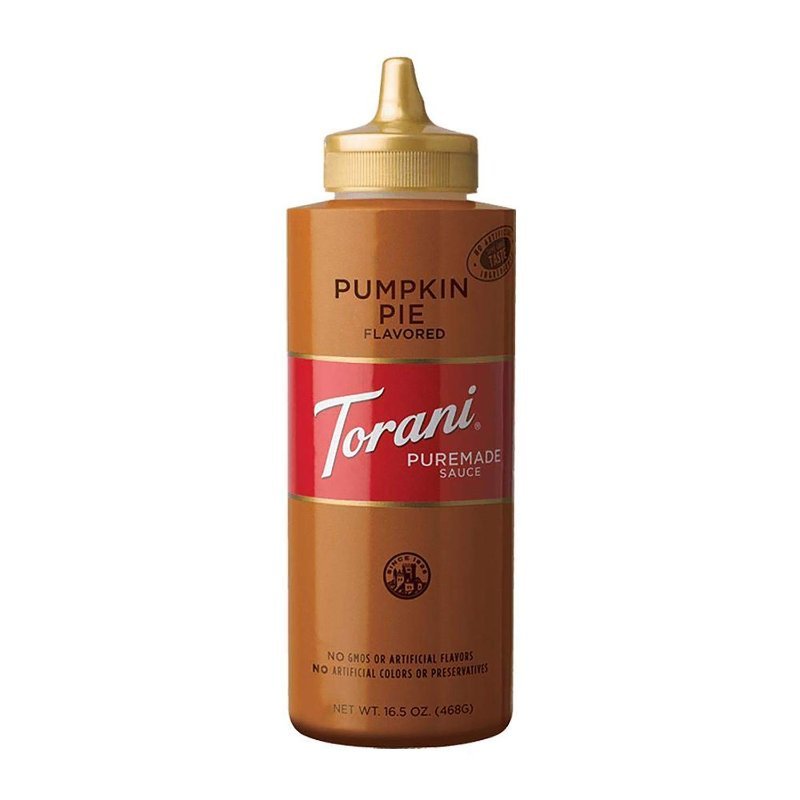
The shortcut is a proper coffeehouse sauce rather than a thin syrup. Sauces are thicker, contain dairy or dairy solids, and emulsify into milk instead of separating out of it — which is precisely the problem that ruins the puree-based recipes floating around. Torani’s Puremade Pumpkin Pie sauce is the same category of product cafés reach for, it comes in a squeeze bottle so you can dose by feel, and the reformulated version skips artificial preservatives. Two pumps, roughly two tablespoons, is a 12-ounce drink.
Some links on this page are Amazon affiliate links, which means I earn a commission if you buy through them, at no extra cost to you.
Torani Puremade Pumpkin Pie Sauce, 16.5 oz
Thick enough to emulsify into hot milk rather than sink. Cinnamon and nutmeg forward, no artificial preservatives, squeeze bottle. One bottle is roughly a season’s worth.
Route two: build it from spice
If you would rather control the sweetness, skip the sauce and make a spiced simple syrup. Pumpkin pie spice is not a single thing — it is a ratio, and the ratio is the whole flavor. The common baseline is roughly nine parts cinnamon to two parts ginger, one and a half to two parts nutmeg, and one to one and a half parts each of cloves and allspice. Cinnamon dominates by a wide margin; cloves are the ingredient that will wreck the drink if you get heavy-handed, because clove reads as medicinal in milk long before it reads as festive.
Simmer one cup sugar, one cup water, two teaspoons of pumpkin spice and two tablespoons of pumpkin puree for five minutes, then strain through a fine mesh. Straining is not optional — it is the step that separates a latte from a smoothie. Buy a blend rather than mixing five jars unless you specifically want to shift the ratio.
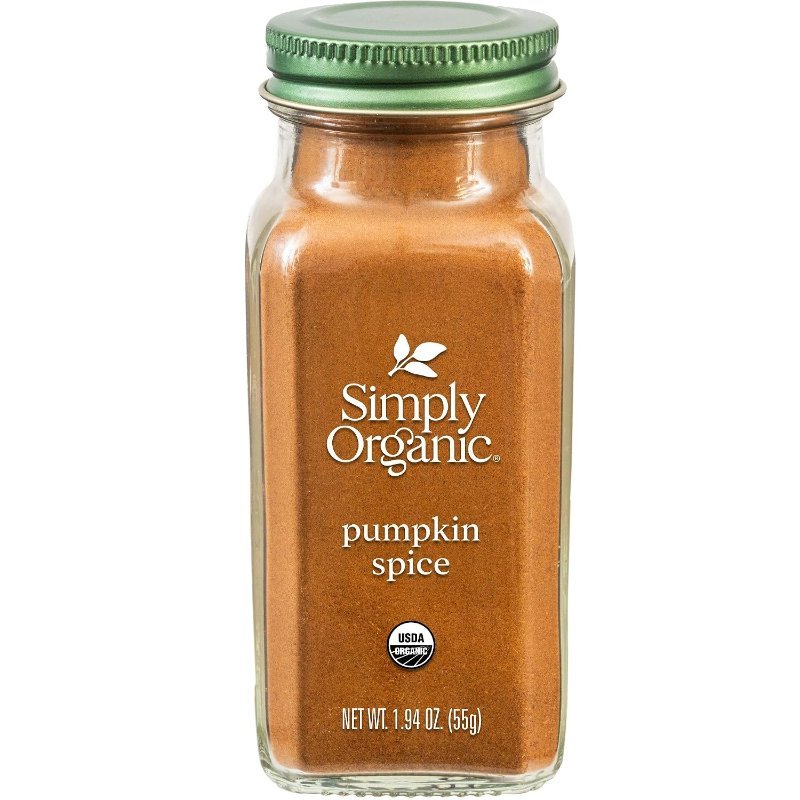
Simply Organic Pumpkin Spice, 1.94 oz
Organic cinnamon, nutmeg, ginger and cloves in a sane ratio. A small jar, which is correct — ground spice loses its volatile oils fast, and a bulk tub will taste like sawdust by year two.
The coffee base, without an espresso machine
This is where a pour-over household has an advantage nobody mentions. You do not need espresso; you need concentration. Brew a V60 at about 1:8 instead of the usual 1:16 — 25 grams of coffee to 200 grams of water, ground a touch finer than normal, poured slowly in three additions. What comes out is roughly twice the strength of a normal cup, which is what you need if two ounces of it are going to hold their own against steamed milk and sugar.
Use a medium roast with body. A delicate washed Ethiopian will be completely erased by the spice, and paying for florals you then bury under cloves is a waste of good coffee. Save the light stuff for black brewing.
Milk, and the one piece of gear that helps
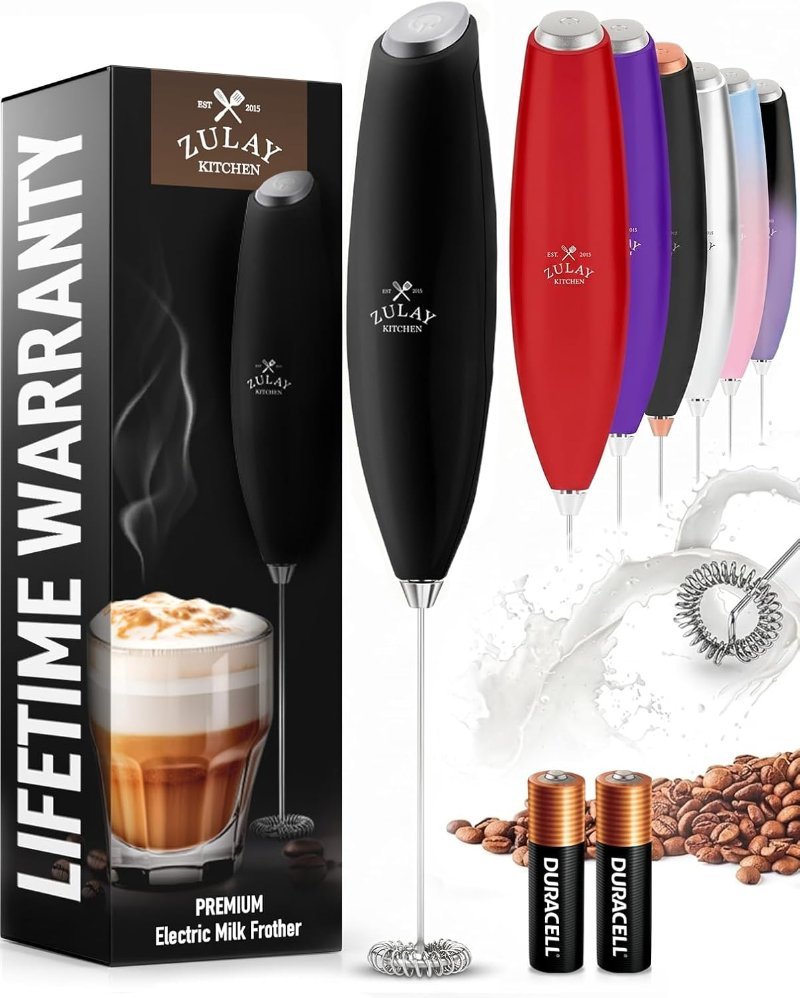
Heat six to eight ounces of whole milk to about 150°F — hot, not scalding, because past roughly 160°F the proteins start throwing off a cooked, faintly sulfurous note. Then aerate it. A handheld frother wand gets milk to a passable microfoam in fifteen seconds for less than the cost of two café drinks, and it is the single piece of gear that most changes how close the home version tastes to the real one. A French press plunged rapidly works too if you already own one.
Assembly
Two tablespoons of sauce or syrup into the mug first. Add the two ounces of concentrated pour-over and stir until the sauce fully dissolves — doing this before the milk goes in is the difference between an even drink and a sweet slug at the bottom. Pour in the frothed milk, top with foam, grate a little nutmeg over it. Adjust sweetness down before you adjust it up; the café standard is sweeter than most people actually want once they are drinking it at home in a real mug.
Where people go wrong
Three failures account for nearly all of them. Unstrained puree, which turns the texture grainy. Brewing normal-strength coffee, which produces a cup of warm spiced milk with a rumor of coffee in it. And overdoing the cloves, which is what makes a homemade version taste vaguely like cough syrup. Fix those and you have a drink that does not need a green logo on the cup.