Coffee has more folklore attached to it than almost any other kitchen ritual, and most of it is either outdated, oversimplified, or was invented by someone selling a specific gadget. We’ve spent enough mornings fussing over drippers and kettles to have opinions here, so let’s clear out some of the most common myths, the ones that are actively working against your cup rather than helping it.
1. “Dark Roast Means More Caffeine”
Backwards, actually. Roasting burns off mass and slightly reduces caffeine content the longer beans stay in the roaster, so light roasts technically edge out dark roasts by weight. In practice the difference is small enough not to matter for your morning routine, but “dark roast = stronger jolt” is mixing up flavor intensity with caffeine content, two completely different things that just happen to both live in the same cup.
2. “Refrigerating or Freezing Beans Keeps Them Fresh”
Coffee is porous and absorbs moisture and odors shockingly fast, and your fridge is packed with both. Every time you pull the bag out, condensation forms as it warms up, and that moisture accelerates staling. Store beans in an airtight, opaque container at room temperature instead. If you genuinely need to freeze a large bulk purchase, portion it into small airtight bags first and only pull what you’ll use in a week, and don’t refreeze what you thaw.
3. “Expensive Beans Automatically Taste Better”
Price tracks scarcity and processing complexity more than it tracks flavor. A well-sourced, well-roasted bag at a moderate price will beat an overpriced bag that’s been sitting on a shelf for four months, every time. Roast date matters more than dollar amount. We’d take a $14 bag roasted last week over a $30 bag roasted last winter without a second thought.
4. “You Should Always Use Filtered Water”
Half true. Water is around 98 percent of your cup, so its mineral content genuinely affects extraction, but the myth oversimplifies it into “filtered good, tap bad.” Distilled or heavily filtered water with almost no minerals actually extracts poorly and can taste flat, because coffee needs some mineral content to bond with during extraction. If your tap water tastes fine to drink on its own, it will probably make a fine cup of coffee. If your tap water tastes like a swimming pool, that’s the actual problem, not the word “filtered.”
5. “A Finer Grind Always Makes Stronger Coffee”
Finer grinds extract faster and more thoroughly, but past a certain point that means more bitterness, not more “strength” in any pleasant sense. If your coffee tastes weak, the more reliable fix is usually using more coffee relative to water, not grinding finer and risking a harsh, over-extracted cup. Strength and extraction are related but not the same lever.
6. “Pre-Ground Coffee Is Basically the Same as Whole Bean”
Grinding massively increases surface area, and surface area is exactly what lets coffee go stale, through oxidation and aroma loss, at a dramatically faster rate. Whole beans can hold their flavor for a few weeks past roasting. Pre-ground coffee starts losing meaningful flavor within days, sometimes hours if it’s a lighter roast. If you only make one upgrade to your coffee setup, a basic burr grinder will outperform almost anything else you could buy.
7. “Coffee Dehydrates You”
This one’s mostly outdated. Caffeine has a mild diuretic effect, but moderate coffee consumption still counts toward your daily fluid intake overall, and regular drinkers build up a tolerance to whatever diuretic effect exists in the first place. You don’t need to chug a glass of water for every cup out of some sense of penance.
8. “Bitter Coffee Just Means Strong Coffee”
Bitterness is almost always a sign of over-extraction, water pulling out compounds it shouldn’t have gotten to, not a marker of intensity. A well-made strong coffee should taste rich and full-bodied, not sharp or ashy. If your coffee tastes bitter, that’s useful diagnostic information, not a flavor you’re supposed to be enjoying.
None of this requires expensive gear to fix. Mostly it just requires ditching a few assumptions that got repeated so often they started sounding like facts. Start with fresh beans, a decent grinder, and water you’d actually want to drink on its own, and you’ve already beaten most of these myths without spending another dollar.
The myth costing you the most flavor isn’t about brewing technique at all. It’s how you’re storing your beans.
If you’re fixing the storage myth for real, here’s what to buy:
These link to Amazon — we may earn a small commission at no extra cost to you. Full disclosure.
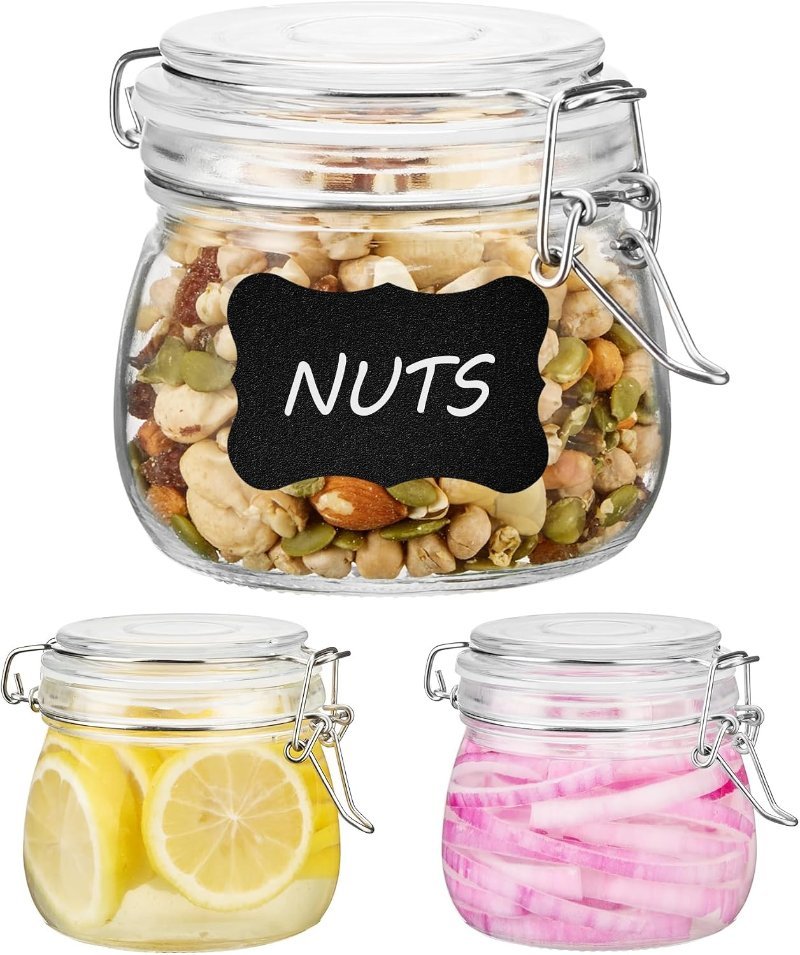
Vtopmart Clamp-Lid Glass Jars (3-Pack)
Thick glass and a proper clamp lid, three to a set for less than one boutique canister costs. Better than the bag your beans came in — a low bar, but it clears it. Keep them out of direct sunlight.
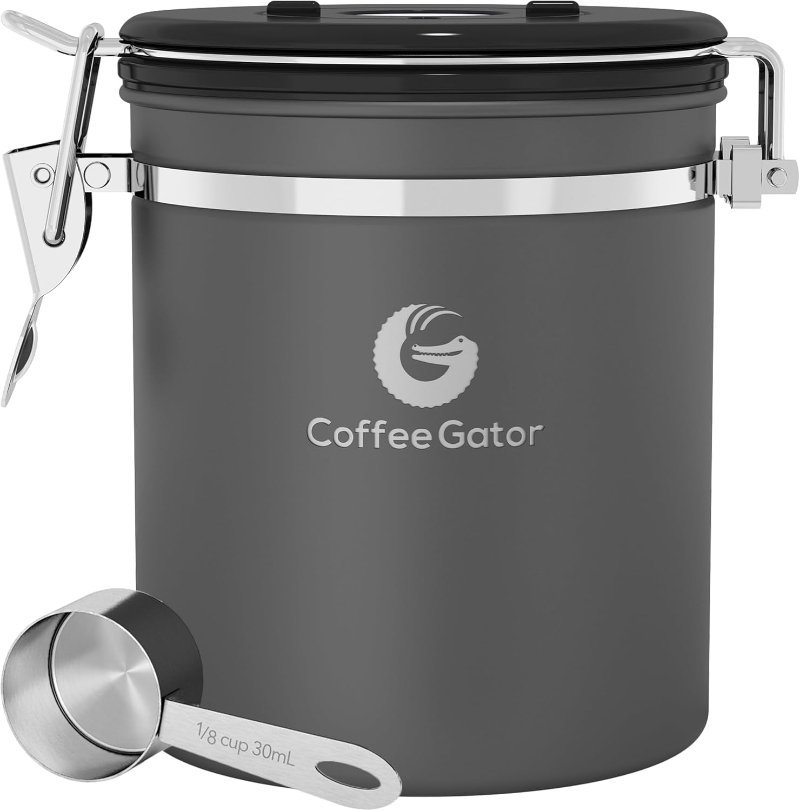
Coffee Gator Stainless Canister
The CO2 valve actually matters: it lets gas escape from fresh-roasted beans without letting air back in. Out of the three, it’s the one sitting on my own counter.
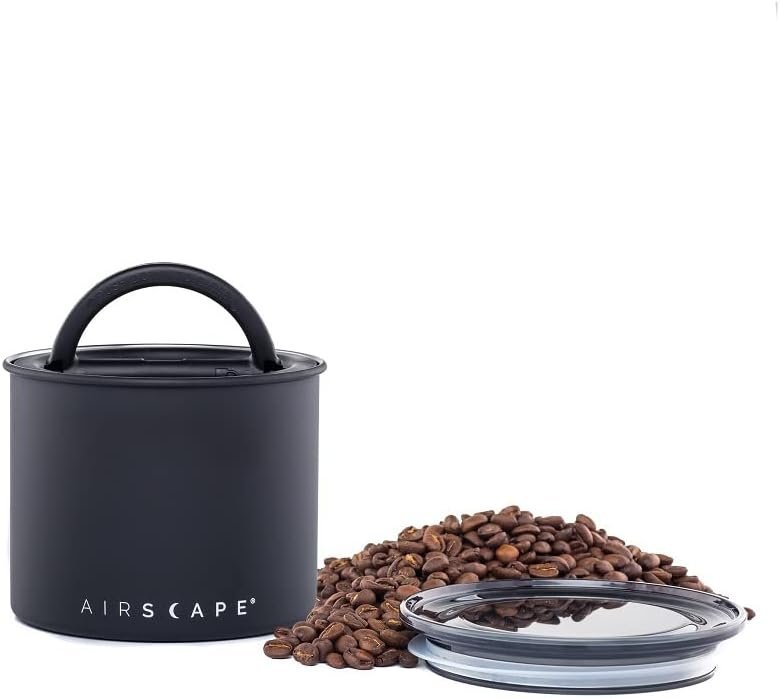
Airscape Stainless Steel Canister
The plunger lid physically pushes air out of the container every time you close it. Slightly overkill for most people, deeply satisfying to use.