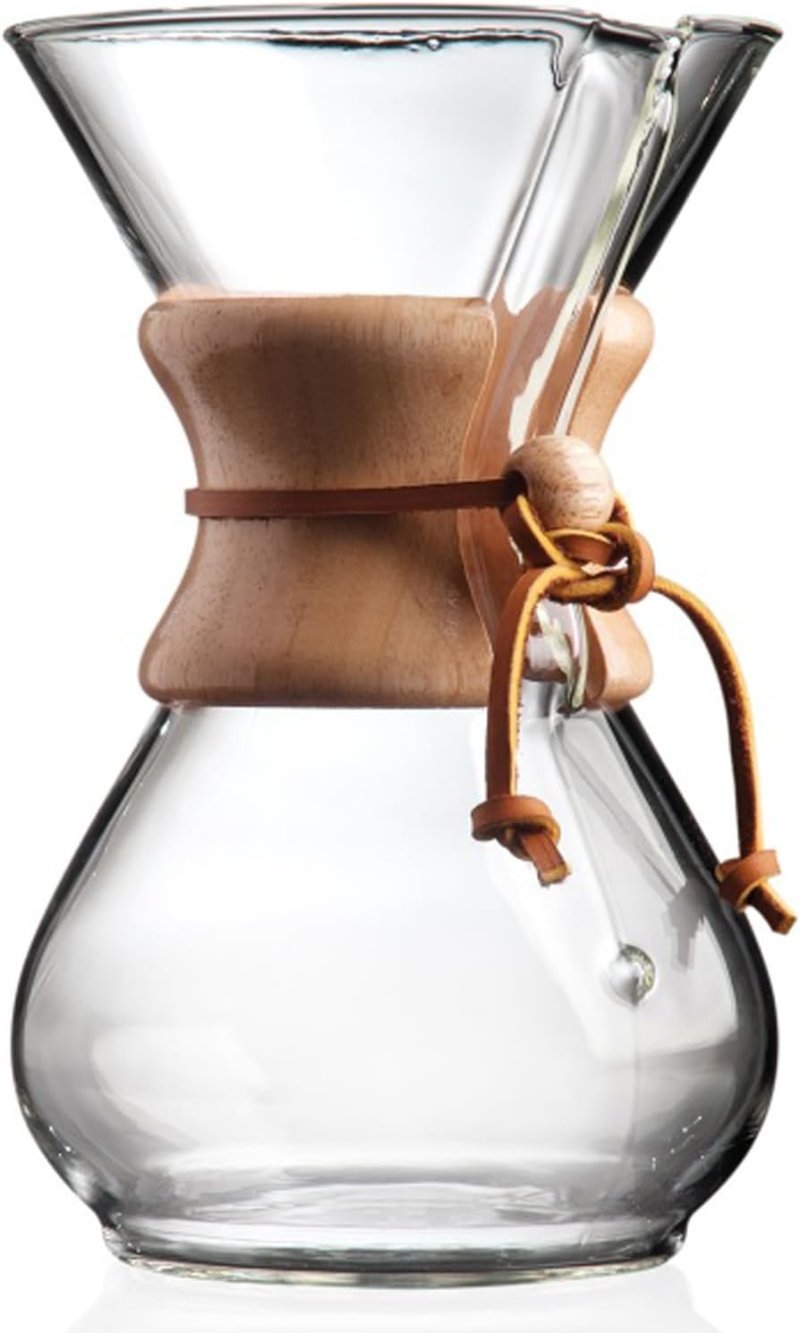
Every dripper on the market wants you to believe it’s the one that will finally fix your coffee. Most of that is marketing. The honest version is simpler: a dripper is a shape, a filter type, and a hole (or holes) at the bottom, and those three things determine how water moves through your coffee. Once you understand what each variable actually does, picking a dripper stops being a personality quiz and starts being a straightforward decision based on the kind of cup you want.
The Three Things That Actually Differ Between Drippers
- Flow rate — how fast water drains through. A single large hole (V60) drains fast and puts your pouring technique in charge. Small multi-hole designs (Kalita Wave) drain slower and more evenly regardless of how you pour.
- Filter thickness — thin cone filters let more oil and fine sediment through for a fuller-bodied cup. Thick folded filters (Chemex) strip more of that out for a lighter, cleaner cup.
- Bed shape — conical beds concentrate water in the center and rely on your pour to spread it. Flat beds distribute water evenly on their own, which is why they’re more forgiving.
Everything else, the material, the color, the brand name stitched into the marketing copy, is mostly aesthetics. It matters for your kitchen counter. It does not matter much for your cup.
What We’d Actually Buy, By Situation
If you’re buying your first dripper ever: get a Kalita Wave. The flat bed forgives an inconsistent pour, which you will absolutely have for your first few weeks, and it still produces a genuinely good cup while you’re learning.
If you already make decent coffee and want to get better: get a V60. It’s unforgiving in exactly the way that teaches you something every time you brew, and once you’ve got your pour dialed in, it makes the brightest, most articulate cup of the three.
If you’re brewing for more than one person, or you just want the smoothest possible cup: get a Chemex. It’s slower, it takes up more counter space, and it’s genuinely one of the better-looking objects you can own in a kitchen. The thick filter does a lot of the forgiving work for you.
Material: Ceramic, Glass, Plastic, or Metal
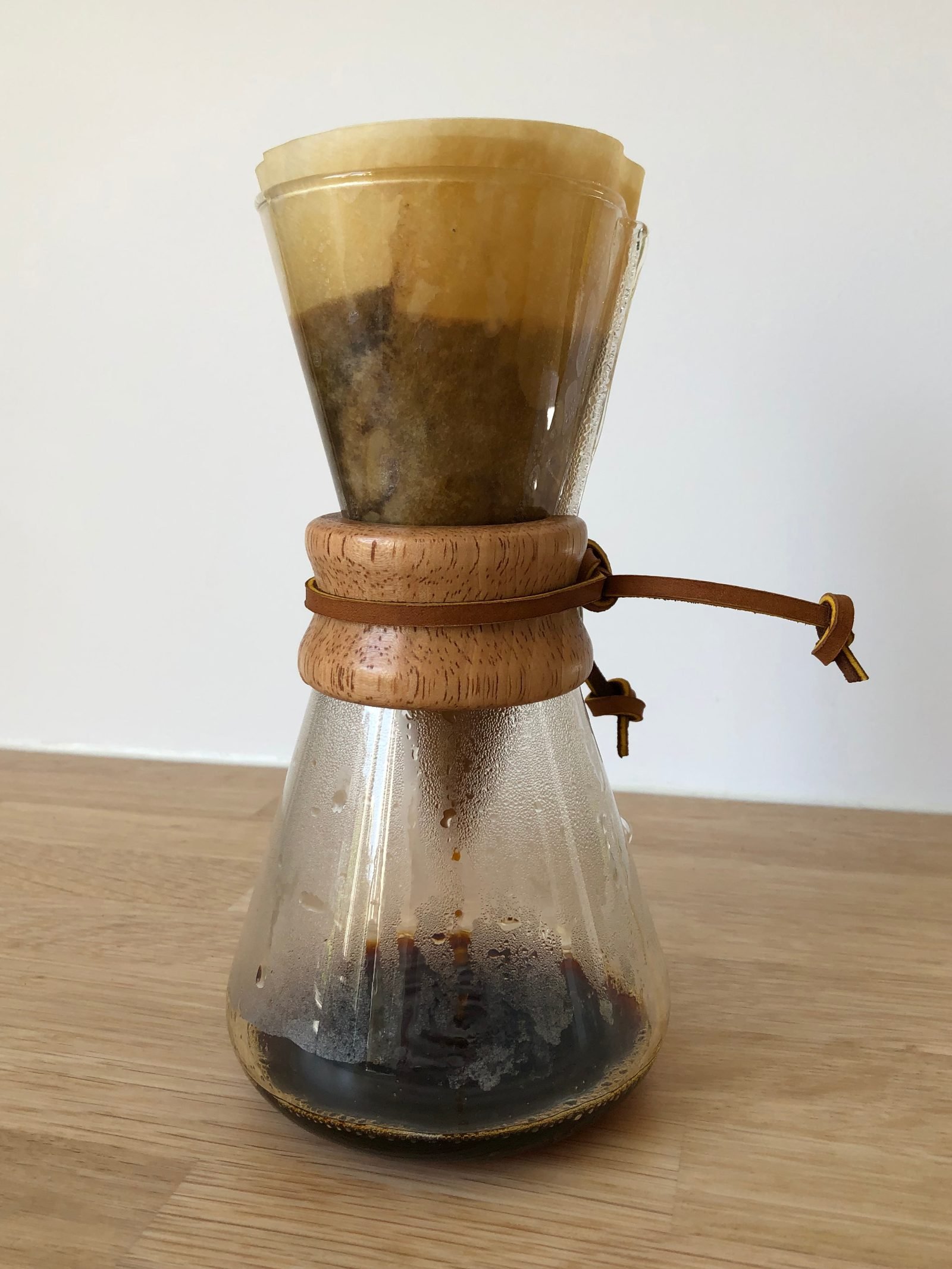
This one actually does matter a little. Ceramic and glass hold heat better than plastic, which keeps your extraction more stable through the brew. Metal drippers (usually stainless steel) heat up fast and cool down fast, which can lead to a slightly less consistent extraction unless you preheat carefully. Plastic is the cheapest and most travel-friendly option and, contrary to what coffee snobs will tell you, makes a perfectly fine cup. If you’re brewing at home on a counter, ceramic is the best all-around choice. If you’re taking this camping, get the plastic one and stop feeling guilty about it.
The One Mistake Almost Everyone Makes
Buying a dripper and then brewing with whatever pre-ground coffee and paper filters happened to be nearby. The dripper is maybe 20 percent of your final cup. Fresh beans, a decent grinder, and the right filter for that specific dripper (Chemex filters are not interchangeable with cone filters) matter more than which shape of plastic or ceramic you poured water through.
There’s no single “best” dripper here. There’s the one that matches how much control you actually want over your cup.
The three drippers worth your money:
These link to Amazon — we may earn a small commission at no extra cost to you. Full disclosure.
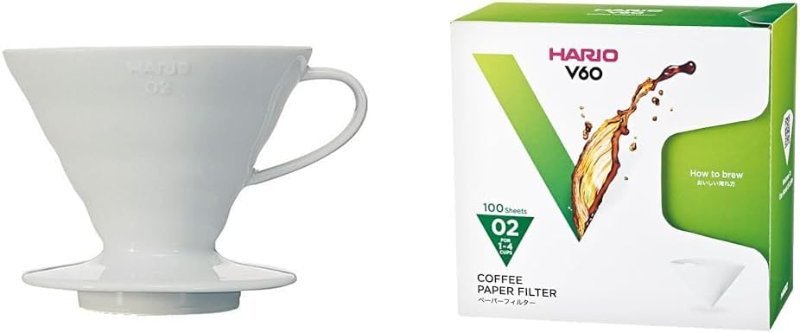
Hario V60 Ceramic Dripper
Cheap, unforgiving, and the dripper that teaches you the most about your own pour. I still reach for mine most mornings.
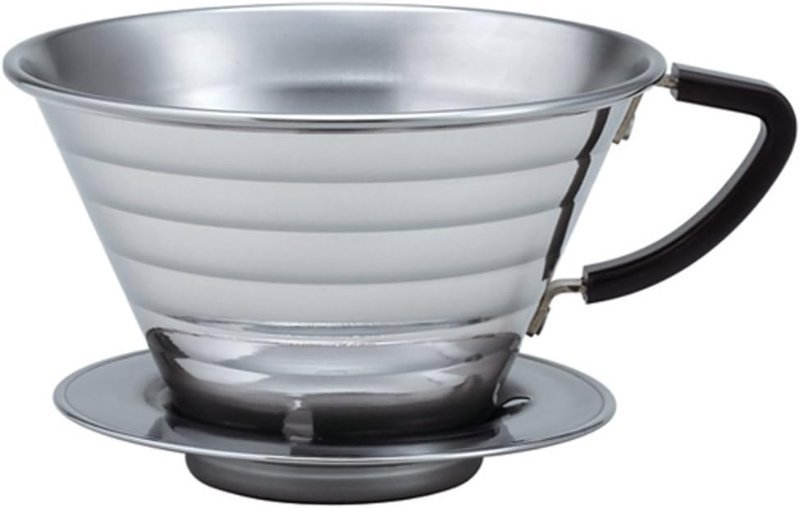
Kalita Wave 185
The flat-bottom wave filter forgives an uneven pour in a way the V60 never will. Want consistency without babysitting every pour? Start here.
Chemex Classic 6-Cup
It’s as much a showpiece as a brewer, and the thick bonded filters produce one of the cleanest cups you can make at home — especially nice when you’re pouring for guests, not just yourself.