Starbucks put the Gingerbread Latte on its holiday menu in 2000 and pulled it in 2019, after nineteen years. The syrup has resurfaced since — in a gingerbread oat milk chai, in an Oleato variant — but the original drink is gone, and the company’s stated reason was that it simply didn’t sell enough to justify the product they threw away every January.
Fine. It was never a hard drink to make, and the café version was sweeter than it needed to be. Here’s how to build a better one at home, and the three things that actually matter.
Gingerbread is molasses, not ginger
This is where most home versions go wrong. People reach for ground ginger, get a thin peppery heat, and wonder why it tastes like a spice rack instead of a cookie. Gingerbread’s defining flavor is molasses — dark, faintly bitter, slightly mineral. Ginger, cinnamon, clove and nutmeg sit on top of that base. Take the molasses away and you have a spiced latte, which is a different and less interesting drink.
That single fact decides which route you take.
Route one: the bottle
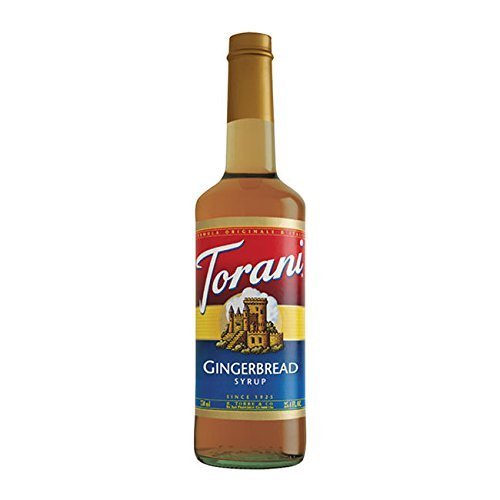
If you want a gingerbread latte on a Tuesday morning without measuring anything, a syrup is the honest answer. Torani’s gingerbread leans sweet and reads more “cookie” than “spice,” which is either the point or the problem depending on your taste. I use about half what the bottle suggests — one pump in a 10-ounce drink, not two — and the molasses note comes through instead of drowning in sugar. A 25-ounce bottle lasts a whole season and costs less than three café drinks.
Some links below are affiliate links. If you buy through them, we earn a small commission at no extra cost to you.
Torani Gingerbread Syrup
The default for a reason. Sweet, consistent, and shelf-stable all winter. Dose it at half the label recommendation and it stops tasting like candy.
Route two: molasses and a spice jar
The better-tasting version takes four minutes. Warm a quarter cup of water with two tablespoons of brown sugar, one tablespoon of blackstrap molasses, and a half teaspoon each of ground ginger and cinnamon plus a pinch of clove and nutmeg. Stir until it dissolves, don’t boil it, and keep it in a jar in the fridge for two weeks.
Use blackstrap rather than the mild “baking” molasses. Blackstrap is the third boiling — less sugar left in it, more of the bitter mineral edge that makes the drink taste like an actual gingersnap. A little goes a long way, and a 16-ounce bottle will outlast several winters.
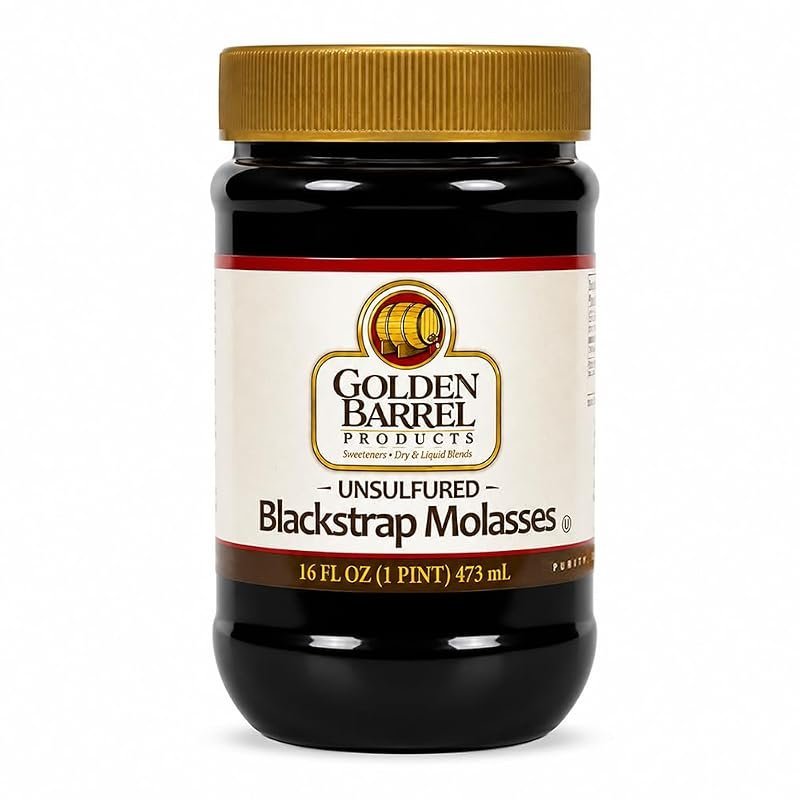
Golden Barrel Unsulfured Blackstrap Molasses
Unsulfured, dark, and bitter in the right way. One tablespoon in a batch of syrup does more for the drink than any amount of ground ginger.
The foam problem
A latte without textured milk is a mug of warm coffee and milk, and you will notice. You don’t need an espresso machine’s steam wand for this — spiced drinks are forgiving, and a battery frother gets you dense enough microfoam to hold a dusting of cinnamon on top. Heat the milk to about 150°F first; frothing cold milk gives you big, short-lived bubbles that collapse before you sit down.
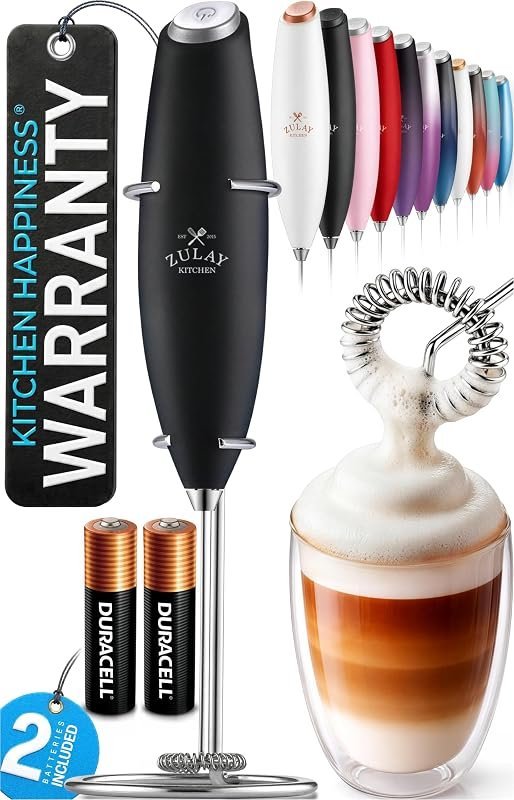
Zulay Kitchen Milk Frother Wand
Under twenty dollars, runs on two AAs, and lives in a drawer. It will not pull latte art, but it puts real foam on a holiday drink in fifteen seconds.
The build
Two ounces of strong coffee — espresso if you have it, otherwise a concentrated pour-over or an AeroPress shot. One to one-and-a-half tablespoons of your syrup in the bottom of the mug. Pour the coffee over it and stir so the molasses actually dissolves instead of sitting in a sludge at the bottom. Six ounces of frothed milk on top. Grate nutmeg over it if you want to feel fancy.
Skip the whipped cream. The café version needed it to balance the sugar load; yours doesn’t.
What coffee to use
Don’t waste a delicate washed Ethiopian on this — the spice will flatten every floral note you paid for. You want something with body and low acidity that can stand behind molasses. A Sumatra Mandheling is close to ideal here for exactly the earthy, heavy qualities that make it divisive as a straight pour-over. A dark Brazilian natural works too.
If you liked this one, the same logic applies to our homemade pumpkin spice latte: make the syrup yourself, use less of it than the chain does, and the drink stops being a dessert pretending to be coffee.