Portland has a lot of roasters and most of them are fine. Heart is not fine — Heart is the one that changed what the rest of the city thought a cup of coffee was supposed to taste like. If you have ever had a coffee here that tasted like apricot juice and confused you, there is a decent chance you can trace it back to a Finnish snowboarder with a drum roaster.
A snowboarder, a basement, and a roaster
Wille Yli-Luoma is from Finland and spent his first career as a professional snowboarder. He started roasting coffee in his basement in 2008, and in 2009 he and Rebekah Yli-Luoma opened Heart Coffee Roasters on East Burnside. That origin story gets repeated a lot because it is a good one, but the interesting part is not the snowboarding. It is that he arrived in Portland carrying a Nordic idea of what coffee should be, at a moment when Portland had already made up its mind.
In 2009 this city tasted like Stumptown — deep, sweet, chocolatey, roasted with enough confidence to be legible to anyone walking in off the street. Heart went the other direction, hard.
What “Nordic light” actually means in the cup
Scandinavian roasting culture treats the roast as a way of getting out of the coffee’s way. Pull the beans earlier, develop less of the caramelization and none of the smoke, and what survives is whatever the farm and the processing actually put there — acidity, florals, fruit that reads closer to tea or juice than to a roasted thing. Yli-Luoma has been explicit that the point is to show the bean’s complexity rather than cook it away.
The tradeoff is real and worth being honest about. Light roasts are less forgiving. They need finer grinding, hotter water, and more patience, and a bad one tastes sour and grassy rather than merely bland. A dark roast hides a mediocre lot; a light roast puts it on a table under a lamp. Heart bet the business on having lots good enough to survive that, which is why the sourcing side matters as much as the roasting side.
The sourcing is the actual differentiator
Heart buys through direct relationships with producers in Ethiopia, Kenya, Colombia, Honduras, Mexico, Brazil and Guatemala, and visits origin annually rather than buying whatever a broker has on offer. Stereo, their long-running seasonal blend, has rotated through components over the years — a recent build was half Guatemala Huehuetenango and half Ethiopia Guji — because the blend is defined by a flavor target, not a fixed recipe. If you want the fuller argument for why that buying model changes what lands in your grinder, we covered it in our piece on what direct trade actually means.
Today Heart runs two Portland cafes — 2211 E Burnside and 5181 SE Woodstock Blvd — plus a roastery and north of 120 wholesale accounts. The old downtown shop on SW 12th is gone. Two cafes and a wholesale book is a deliberate shape for a business that could have chased scale a decade ago and chose not to. For the wider map of who else is worth a stop, see our guide to Portland roasteries by neighborhood.
How to actually buy something like it
Here is the annoying part. Heart sells direct from their own site and through their cafes; their one old Amazon listing for Stereo is dead, and pointing you at it would waste your time. So what follows is not Heart — it is the three bags on Amazon that get closest to the thing Heart does, and one that deliberately does the opposite so you can taste the argument. As an Amazon Associate we earn from qualifying purchases.
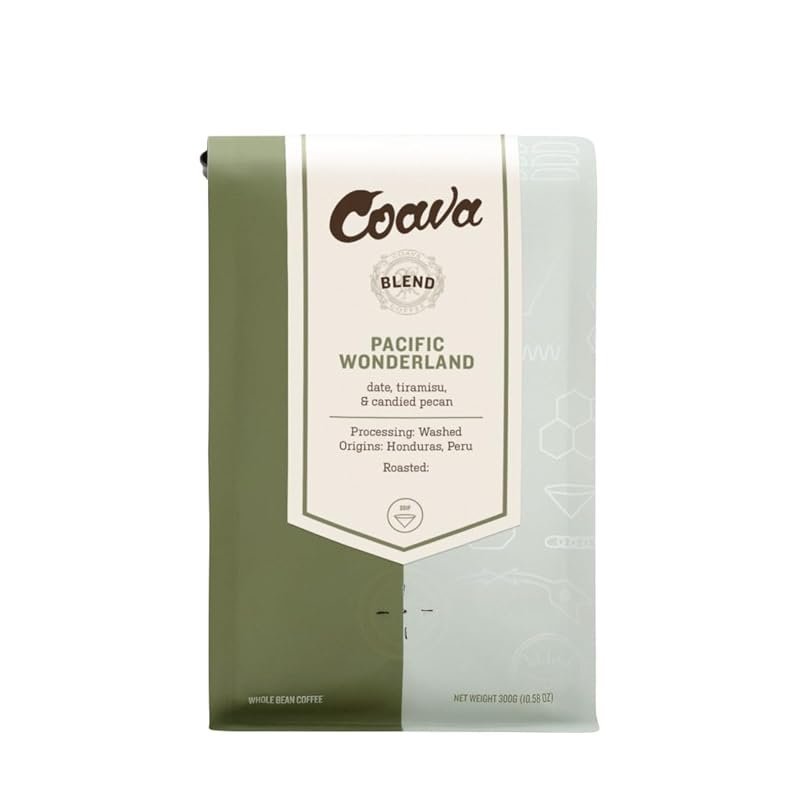
Start with the Portland answer. Coava opened in 2008, a year before Heart, and shares the same instinct: buy well, roast lightly enough to keep the fruit, and let single farms stay legible. Pacific Wonderland is their approachable house blend and the easiest on-ramp if you have been drinking darker coffee and want to move without whiplash.
Coava Pacific Wonderland, Whole Bean
Same city, same era, same light-leaning philosophy. The gentlest way to find out whether you actually like this style before you commit to something more aggressive.
If you want the full Nordic treatment, go further. Onyx roasts about as light as an American roaster will commercially, and Geometry is their light-roast blend built to stay sweet and fruit-forward rather than collapsing into sourness. Grind it finer than you think and brew it hotter than you think — around 205°F — and it opens up.
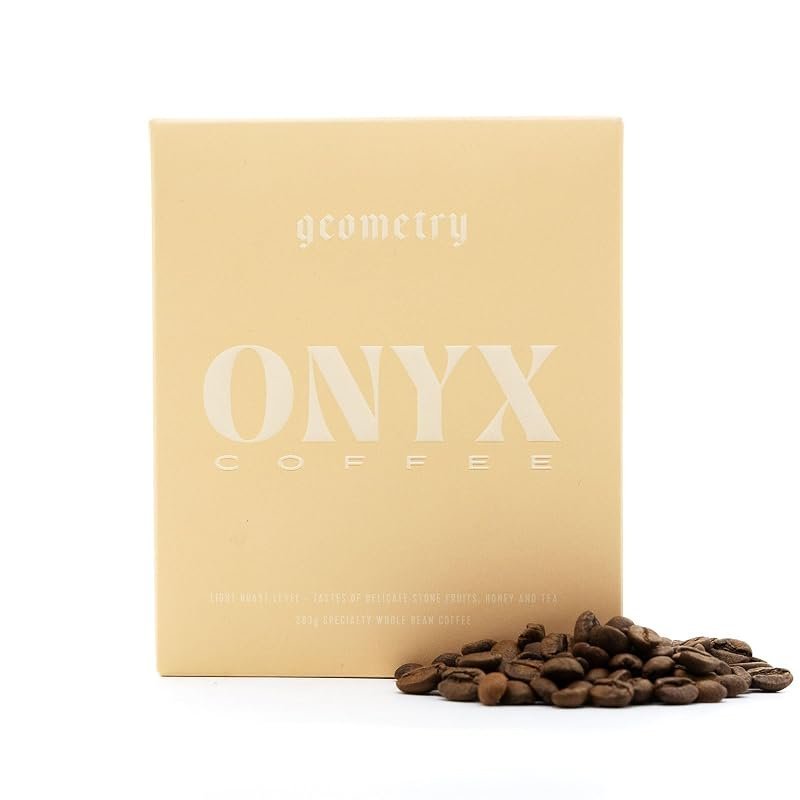
Onyx Coffee Lab Geometry, Light Roast
The one that actually tastes like the philosophy. Florals, stone fruit, bright acidity. Demands better water and a better grinder than the other two, and rewards both.
And buy the counterexample on purpose. Hair Bender is the roast Heart was implicitly arguing against — darker, sweeter, chocolate and cherry, engineered to be delicious without asking anything of you. Brew both in the same week with the same water and the same dripper and the difference stops being an abstraction about roast curves.
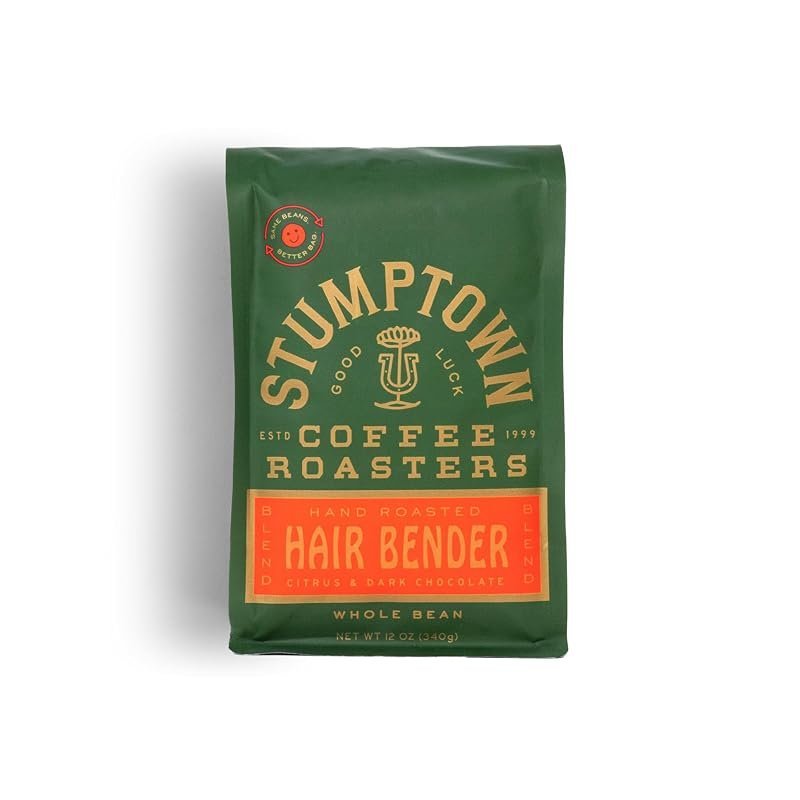
Stumptown Hair Bender, Whole Bean
Portland’s other answer, and still a very good one. Keep a bag next to the light roast as a control sample — it is the fastest way to learn what your own palate actually wants.
Is Heart worth the detour?
If you are in Portland, yes, go sit in the Burnside shop. The espresso there is the clearest statement of what the roastery believes, and it is a different drink from what most American cafes serve under the same name. If you are not in Portland, the honest version is that you cannot conveniently order Heart the way you can order the bags above — but you can absolutely drink the idea, and the idea is the part that travels.