Colombia is the second-largest Arabica producer in the world, and almost every bag of it — more than 98% — goes through the same washed processing method. That consistency is exactly why the country built its reputation on reliability. But “reliable” isn’t the same as “one flavor,” and treating Colombian coffee as a single, interchangeable product misses most of what makes the best of it worth paying attention to.
Geography Does the Heavy Lifting
Colombia’s coffee-growing regions sit almost entirely in the Andes, and elevation plus proximity to the equator is what gives the country’s specialty-grade coffee its range of flavor. Three regions in the country’s Southern Zone — Huila, Nariño, and Cauca — have become the names specialty roasters actually look for on a bag, precisely because they taste different from each other.
Huila, in the Magdalena River valley, grows coffee between roughly 1,400 and 2,000 meters in volcanic soil, with warm days and cool nights that produce bright acidity and layered fruit sweetness. It’s the single most common specialty-grade region you’ll see on a bag, for good reason.
Nariño, tucked in the far southwest near the Ecuadorian border, grows at some of the highest elevations in the country — often above 2,000 meters. That altitude and the region’s proximity to the equator produce coffee with more floral aromatics and vibrant citrus acidity than you’ll typically find further north.
Cauca combines the same volcanic soil and day-night temperature swing with a slightly different microclimate, and tends to produce coffee with a rounder, more pronounced sweetness.
The Varietals Behind the Cup
Colombian coffee farmers grow a handful of varietals bred specifically for the country’s conditions, most notably Caturra and Castillo — the latter developed in Colombia in part to resist coffee leaf rust, a disease that devastated crops in the region in the 2000s. You’ll also still find older varietals like Typica and Bourbon on smaller, older farms, which tend to produce a more delicate cup at the cost of lower yield and more disease risk — a trade-off many smallholders are willing to make for the flavor.
Why Almost Everything Is Washed
The near-universal use of washed processing in Colombia is partly about consistency and partly about infrastructure — the country has spent decades building out wet mills and drying infrastructure specifically for this method. Washed processing strips the fruit before drying, which produces the clean, bright, well-balanced cup most people associate with Colombian coffee. It’s a big part of why Colombian coffee became the default “good, reliable” bag on grocery store shelves in the first place — but that same consistency is exactly what flattens the real regional differences into a single, generic “Colombian” flavor by the time it reaches a blended bag.
What Actually Changes the Cup in Your Hand
If you want to actually taste what separates a Huila lot from a Nariño lot, the label needs to say more than just “Colombia.” Look for the specific region, and ideally the elevation or the farm name. That’s not coffee-snob box-checking — it’s the actual information that predicts what’s in the cup, the same way a wine region tells you more than “made in France.”
“Colombian coffee” as a single flavor doesn’t exist. The bag you buy should prove it.
Three real bags worth seeking out:
These link to Amazon — we may earn a small commission at no extra cost to you. Full disclosure.
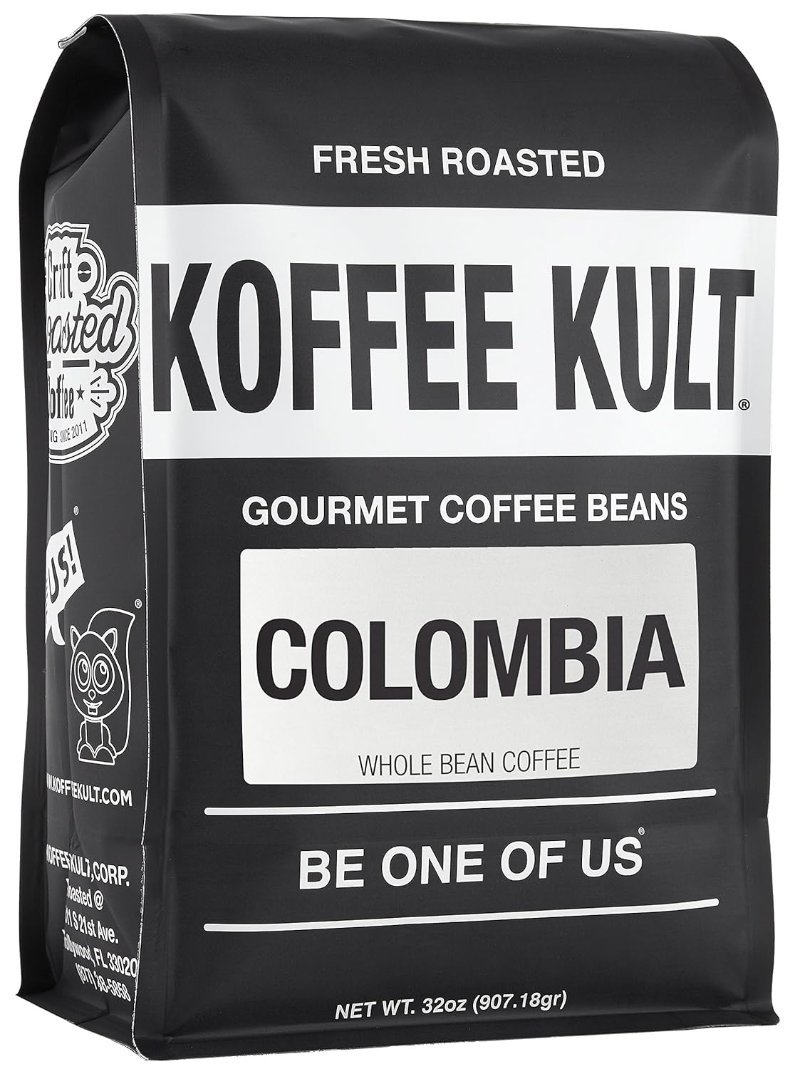
Koffee Kult Colombian (32oz)
A reliable, well-reviewed bulk bag that won’t bore you the way a grocery-store Colombian blend will.
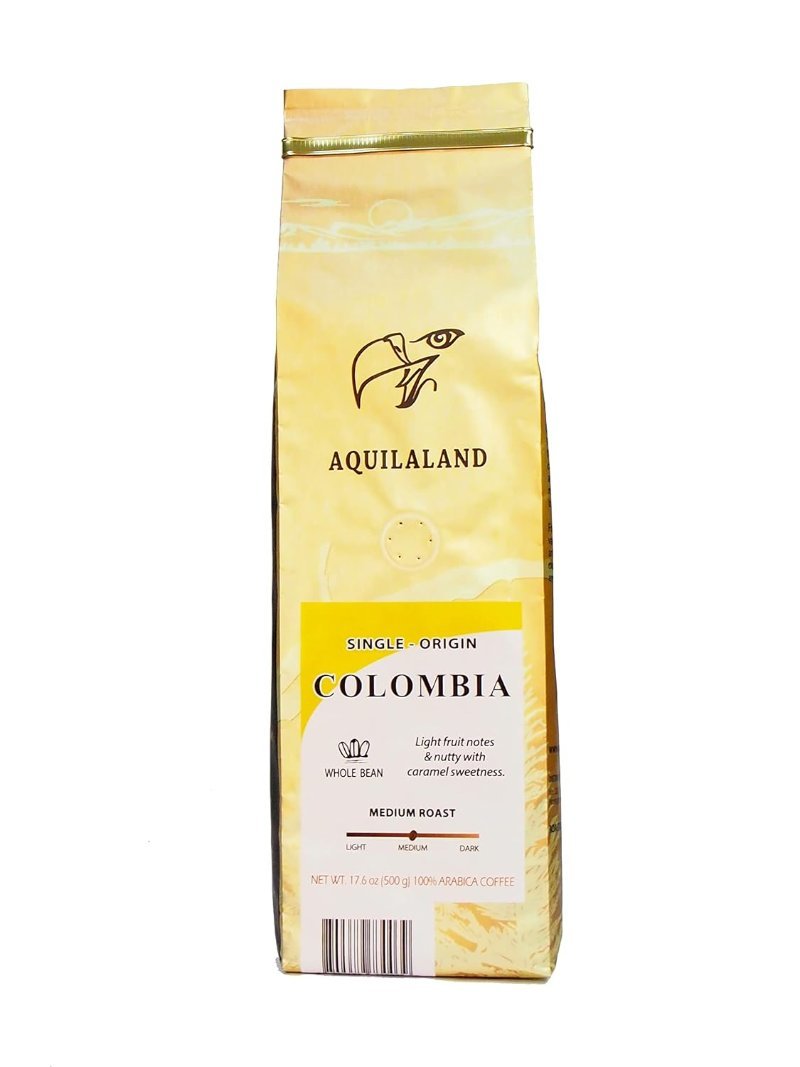
Aquilaland Colombia Huila Supremo
Huila specifically, not just “Colombian” on the label — that regional specificity is exactly the point of this post.
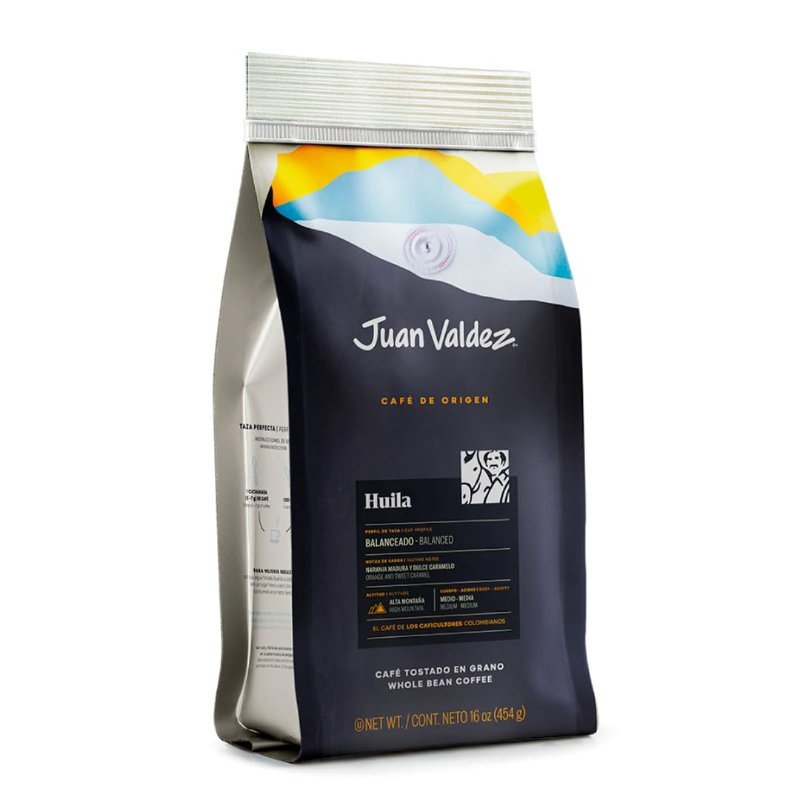
Juan Valdez Huila Whole Bean
The name most associated with Colombian coffee, for a reason. Notes of ripe orange and caramel that are hard to find at the lower tiers.