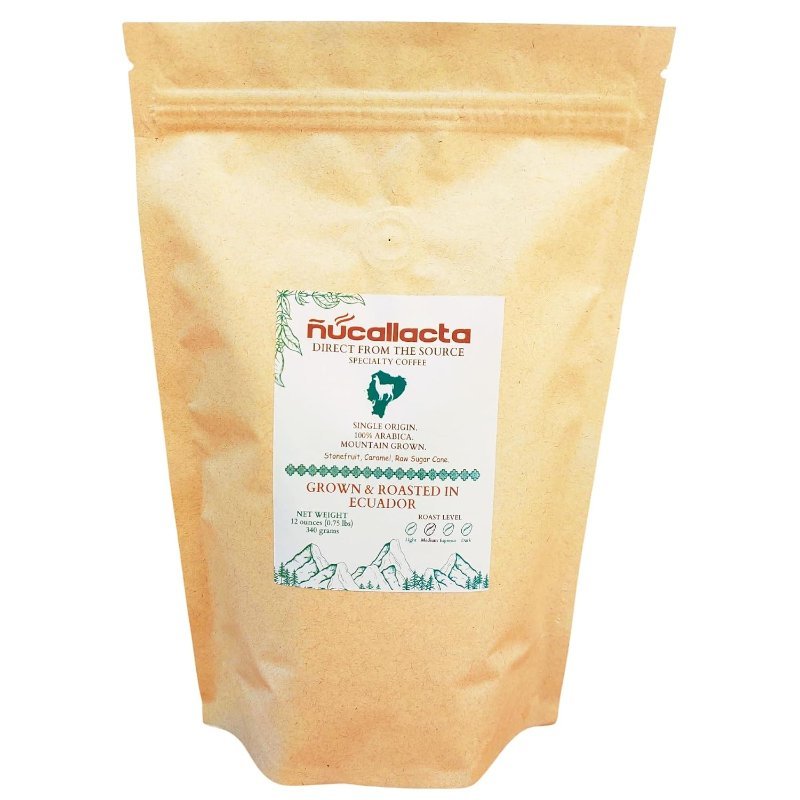
Ecuador grows some of the most interesting coffee in South America and almost nobody outside the specialty world has heard of it. That’s not an accident of quality — it’s history. Coffee arrived in Ecuador in the 1860s, mostly around Manabí, and the industry grew steadily for over a century before collapsing in the 1980s under a mix of low prices and competition from bigger producers. It’s only in the last decade or so that small farmers and local roasters have rebuilt a specialty-grade industry worth paying attention to.
A Country Built for Coffee Diversity
What makes Ecuador genuinely unusual is how much ecological range it packs into a small country: Pacific coastline, Andean highlands, Amazon basin, and the volcanic Galápagos Islands all grow coffee, and each produces something distinct.
Loja, in the south near the Peruvian border, is where Ecuador’s most celebrated Arabica comes from — specifically the area around Vilcabamba, Malacatos, and Catamayo. Altitudes between 1,200 and 2,000 meters, rich volcanic soil, and a dry-wet seasonal cycle that slows cherry maturation combine to produce coffee with defined acidity and a delicate, complex aroma.
The Galápagos Islands grow a genuinely rare style of coffee: cool ocean winds and volcanic soil on islands better known for giant tortoises than agriculture produce a coffee that’s well-balanced and rounded, grown at a scale small enough that most of the world will never taste it.
Zaruma, in the El Oro region, and the highland areas around Intag and Pacto near Quito round out the country’s main growing zones, each shaped by its own combination of elevation, rainfall, and volcanic soil chemistry.
Volcanic Soil Is the Common Thread
Ecuador sits on the Pacific Ring of Fire, and that volcanic geology shows up in the cup. Soils rich in minerals from volcanic activity — the same soil chemistry that makes regions like Chimborazo agriculturally notable — tend to produce coffee with more pronounced acidity and a more distinctive flavor profile than coffee grown in less mineral-rich ground. Combined with regular rainfall and, in the highland regions, natural shade cover, it’s a genuinely good set of growing conditions that the country is only now getting credit for.
Why You Probably Haven’t Tried It
Ecuador simply produces far less coffee than its neighbors Colombia and Peru, and for decades what it did produce mostly went to lower-grade commercial blends rather than specialty buyers. That’s changing as small-batch roasters and direct-trade relationships with individual farms become more common, but the volume is still small enough that Ecuadorian coffee rarely shows up on a grocery store shelf. If you want to try it, you’re mostly looking at specialty importers and roasters working directly with specific farms — which, if you care about knowing where your coffee actually comes from, is arguably the more interesting way to buy it anyway.
Ecuadorian coffee gets overlooked next to its neighbors — which is exactly why it’s worth seeking out.
Three real bags to actually try, budget to splurge:
These link to Amazon — we may earn a small commission at no extra cost to you. Full disclosure.
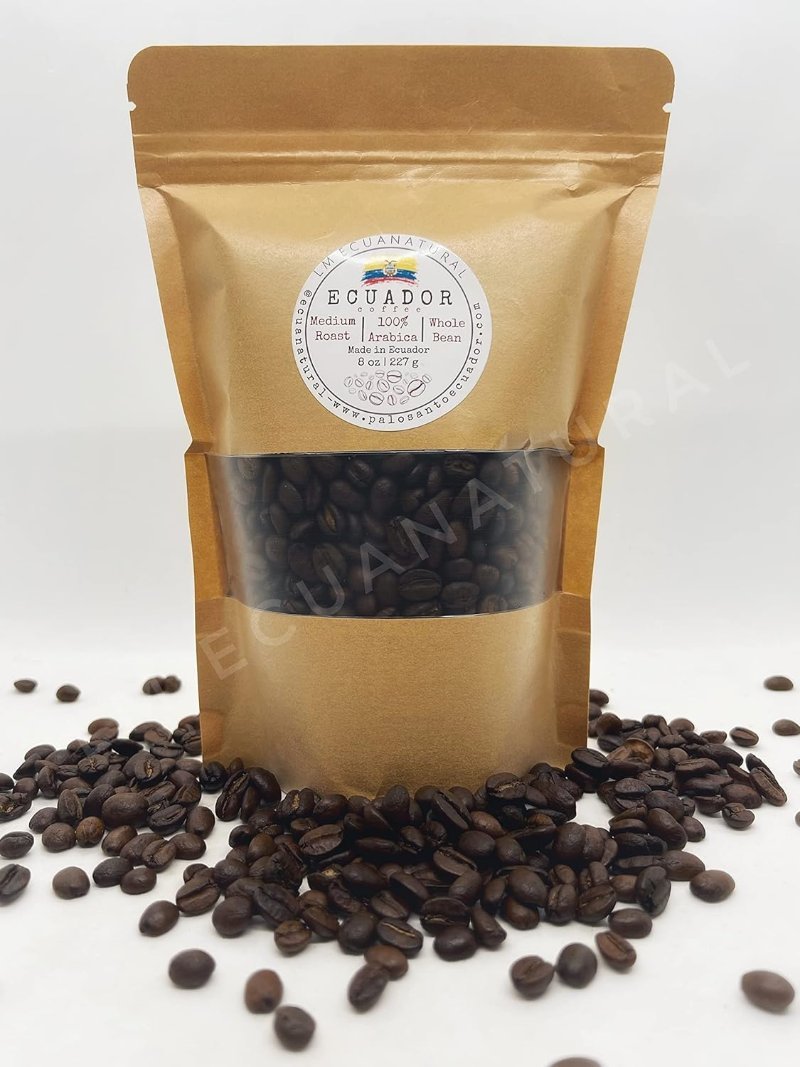
Ecuadorian Arabica Whole Bean (Loja)
A straightforward, well-priced way to actually taste what makes Ecuadorian coffee distinct before you commit to a bigger bag.
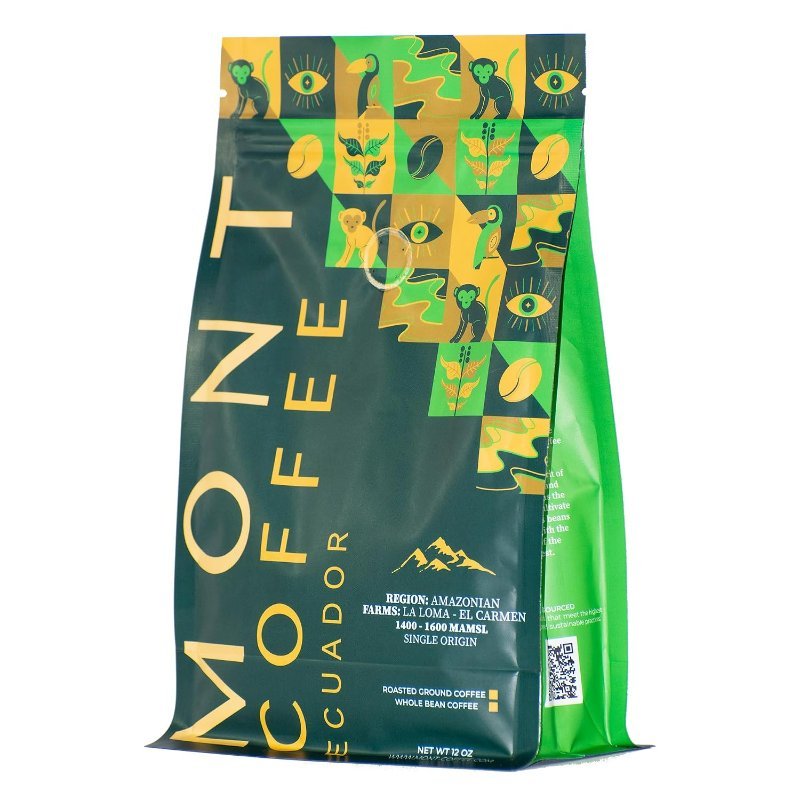
Mont Coffee Ecuador Amazonian
Rainforest-grown on the eastern slope and roasted medium-light, so the chocolate and the citrus both survive. On an ordinary week, this is the bag I’d reach for.
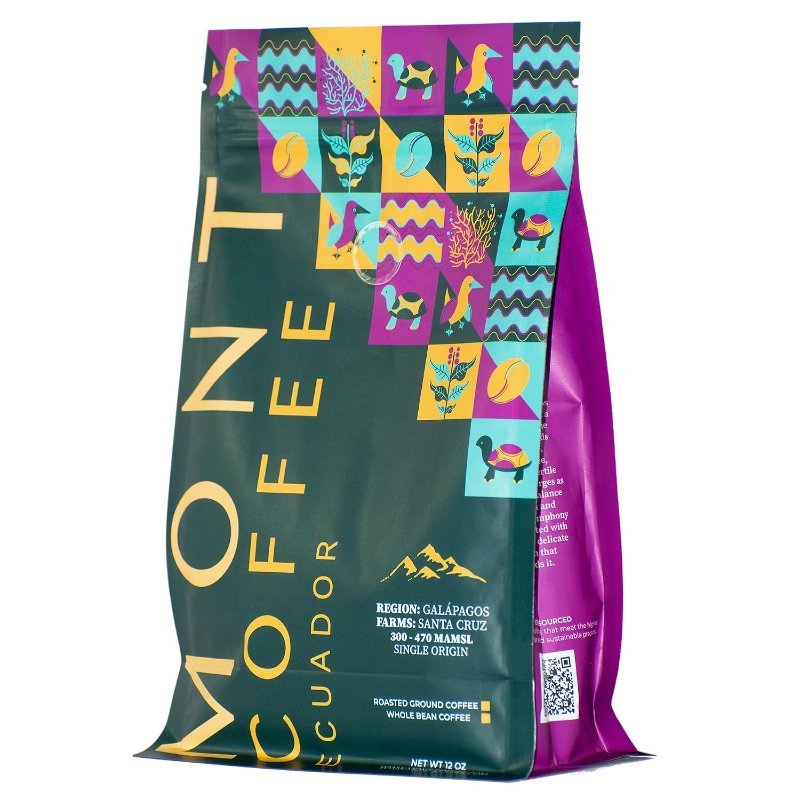
Mont Coffee Ecuador Galapagos (Whole Bean)
Hand-harvested on volcanic soil on Santa Cruz Island — about as rare and specific as single-origin coffee gets. Get the whole-bean version and grind it yourself; buying it pre-ground throws away the entire point.