Three months of coffee-business headlines usually blur together. This quarter they did something more interesting: they split cleanly in two. The largest coffee chain in North America spent September announcing what it was shutting down. Meanwhile three independent roasters spent the same stretch cutting ribbons. Read either half alone and you get the wrong story.
Starbucks is closing about 250 stores
On September 24 Starbucks confirmed it will shutter roughly 250 North American coffeehouses — about 2.2% of its 11,149 company-operated locations on the continent. The company told the SEC the closures will cost it in the neighborhood of $300 million. It is the second such round under CEO Brian Niccol, who arrived in September 2024 with the “Back to Starbucks” turnaround plan, and the official language is that the closed units “do not deliver the coffeehouse experience and financial performance expected of the brand.”
What makes this a pruning rather than a retreat is the other half of the announcement. A day earlier Starbucks said it had completed redesigns — it calls them “uplifts” — at more than 1,000 U.S. and Canadian stores since late 2025, and is targeting at least 1,500 by the end of fiscal 2026. Capital is moving from the weakest quarter of the estate into the rest of it. That is a company spending money, not saving it.
For anyone brewing at home the direct effect is close to nil. The indirect one is worth noticing: when the biggest operator decides some of its rooms are not good enough, the bar for what a cafe has to be goes up for everyone competing with it.
Stumptown reopened in Los Angeles — inside a 1913 theater
On August 29, Stumptown opened an LA flagship and regional training center in the surviving front section of the old Starland Theatre in Lincoln Heights. The building went up in 1913 as Globe Theatre No. 7, designed by George B. Campbell, and the cafe kept the relief facade, the big arched entrance, and the terrazzo at the threshold rather than papering over them.
The detail that matters more than the architecture is the embedded Training Lab — barista education running in the same room as a retail bar. Some of the gear had been sitting in storage since Stumptown closed its Arts District roastery cafe in January 2024, which makes this less an expansion than a deliberate return to a market the company had stepped back from. If you want the Portland backstory behind the name, we covered Stumptown’s Portland roots earlier this month.
Some of the links below are affiliate links, which means we earn a small commission if you buy through them at no extra cost to you.
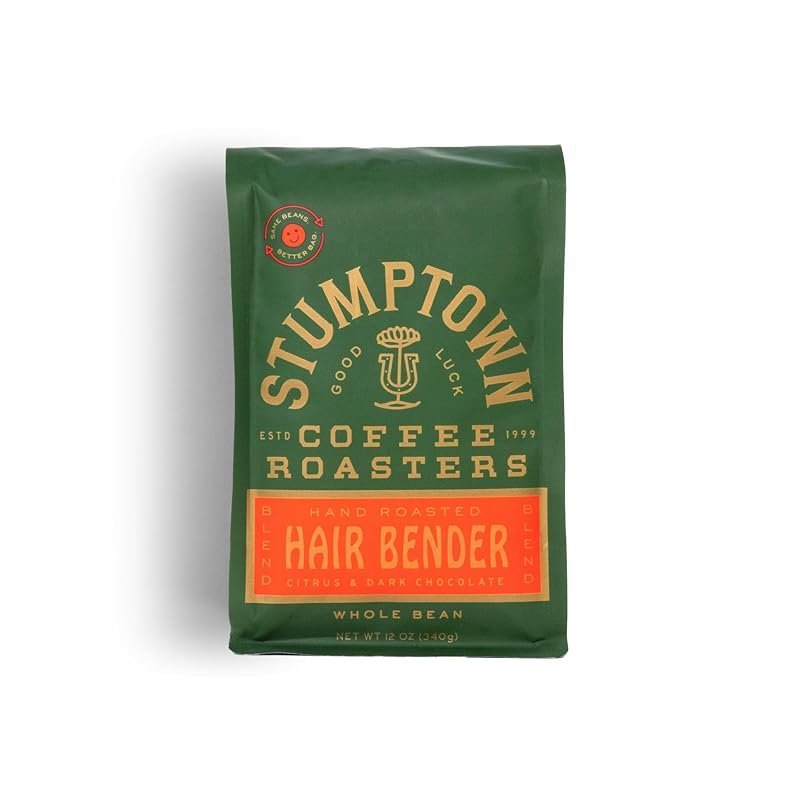
Hair Bender is the bag to start with, and not out of nostalgia — it is the blend the whole company was built around, and it is the one you are most likely to be handed at the Lincoln Heights bar. It is a blend rather than a single origin, which in practice means it is forgiving: citrus up top, dark chocolate underneath, and enough body that a slightly sloppy pour-over still tastes like something. Grind it a touch coarser than you think and give it a full 30-second bloom.
Stumptown Hair Bender, 12 oz Whole Bean
Stumptown’s founding blend and the safest possible introduction to the roaster now anchoring Lincoln Heights. Citrus and dark chocolate, medium roast, hard to brew badly.
Onyx opened its most ambitious space yet
Onyx Coffee Lab soft-opened Onyx at The Preserve in Bentonville, Arkansas in June, with service expanding through the summer. It is the largest thing the company has built — an all-day room where the coffee bar, the food program, the architecture, and the landscaping are treated as one project rather than a cafe with a patio attached. It joins a Northwest Arkansas footprint that already includes the Rogers roastery and headquarters plus cafes in Bentonville, Fayetteville, Springdale, and at the Momentary.
Onyx is a B Corp and Living Wage certified, which is the part that connects this to the rest of the quarter’s news. Building a destination cafe while paying certified wages at a moment when green coffee prices are where they are is a real bet, not a press release.
Geometry is the Onyx blend we reach for most. It is roasted light and aimed at espresso, but it is excellent through a V60 if you grind fine and keep your water at the top of the range — think 205°F. Berries, sweet lemon, a faint Earl Grey thing on the finish. If you have been drinking medium roasts and want to understand why people get loud about light roasting, start here.
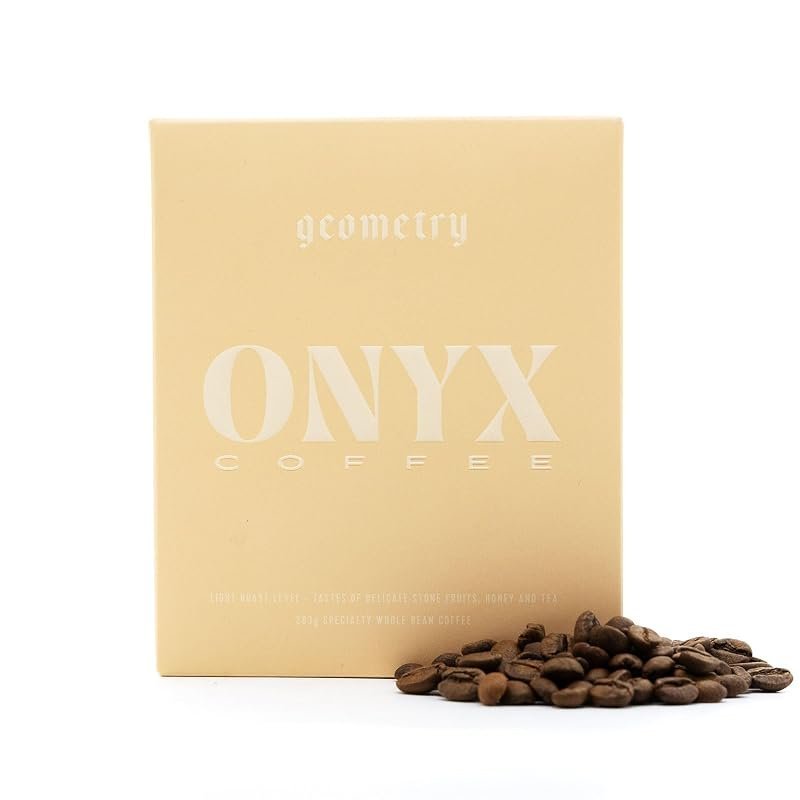
Onyx Coffee Lab Geometry Whole Bean
A light-roasted espresso blend that also shines as pour-over. Berries, sweet lemon, Earl Grey. Demands a finer grind and hotter water than you are probably using.
Variety Coffee Roasters quietly hit ten shops
In June, Variety opened its tenth New York cafe at 190 Franklin Street, inside Greenpoint’s landmark Astral building. Ten shops in eighteen years is not a growth story anyone writes a business-school case about, and that is the point — Variety has stayed independent the entire time, with no outside investors. The Greenpoint bar runs a hand-painted three-group La Marzocco Linea PB with Mahlkönig E80W and E65T grinders, a Guatemala for batch, and Fetco brewers.
Set that against 250 closures and you get the shape of the quarter. One operator is subtracting rooms that were never quite good enough. Several others are adding rooms they spent years earning.
The number underneath all of it
The National Coffee Association’s 2026 National Coffee Data Trends Fall Report, fielded by Dig Insights in June, found that 48% of American adults had specialty coffee in the past day — a record, and enough that more U.S. adults now drink specialty coffee than drink traditional coffee. Out-of-home consumption is also climbing back toward pre-pandemic levels.
That single figure explains both halves of the news. Demand for better coffee is at an all-time high, which is why independents keep opening rooms. And it is also why a chain would rather close 250 mediocre stores than keep serving from them.
Counter Culture is the pick for the person who reads all this and just wants a reliable bag in the cupboard. Hologram is its most approachable coffee — ripe fruit, milk chocolate, a syrupy weight that survives being brewed at 6 a.m. by someone not paying attention. Counter Culture is a B Corp too, and unlike most roasters at its scale it publishes what it paid for the green coffee.
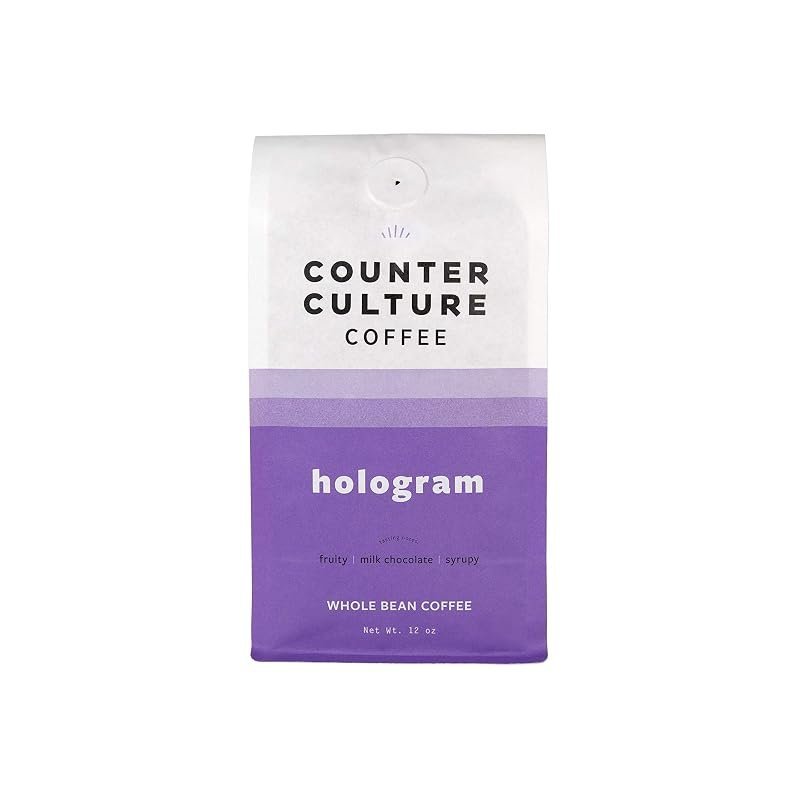
Counter Culture Hologram, 12 oz Whole Bean
Fruity, milk chocolate, syrupy. The medium roast to keep stocked when you want good coffee without thinking about it. B Corp certified with published sourcing prices.
What we are watching next quarter
Two things. First, whether the 1,500-store Starbucks remodel target actually lands by the close of fiscal 2026, because a missed number there would reframe the closures as defense rather than strategy. Second, whether the independent build-out holds through winter — Stumptown, Onyx, and Variety all committed to expensive real estate in a year of high green prices, and Q1 is when that either looks brave or looks early.