Two completely different claims get printed on coffee bags under the same banner, and the industry does a poor job of distinguishing them. One says the company that roasted this coffee is owned by women. The other says the coffee inside was grown by women. Those are separate facts about separate parts of a very long supply chain, and a bag can carry either one, both, or — often enough — neither, while still leaning on the imagery.
Worth sorting out, because the second claim is the one that moves money to the people who need it, and it’s the harder one to find on Amazon.
The gap the labels are pointing at
The numbers behind all of this are lopsided in a specific way. Depending on whose estimate you use, women perform somewhere around 70% of the field labor in coffee — picking, sorting, weeding, hauling — while operating only about 20–30% of the farms. Leadership positions across the industry run near 30% women. Regional figures from the International Coffee Organization and the International Women’s Coffee Alliance put women’s share of labor at roughly 65–70% in Ethiopia and about 75% in Colombia. In Rwanda and Burundi, women make up something like 20–32% of registered producers — a region we’ve written about before for other reasons.
The mismatch between those two sets of numbers is the whole story. Doing the work and owning the asset are different things, and in most coffee-growing regions the person who delivers the cherries to the mill and the person whose name is on the land title are not the same person. Which means the payment, the co-op membership and the loan all land somewhere other than where the labor did.
Café Femenino: the model that actually changed something
The most concrete fix anyone has come up with is also the simplest: physically separate the women’s coffee from the men’s, sell it under its own name, and route the premium to the women directly. That started in 2003 in northern Peru, at the CECANOR cooperative in the Lambayeque region, with 464 women deciding to keep their lots separate from the co-op’s general production. A nonprofit arm, the Café Femenino Foundation, followed in 2004. The program has since spread to nine producing countries and roughly 250 roasters across North America, Europe and Australia.
What made it work wasn’t a certification seal — it was a change to the physical logistics of the harvest. Separate lots mean a separate price, paid to a separate account. Participating growers also pushed for land titles in their own names, which is the part that outlasts any single season’s premium.
The catch for anyone shopping on Amazon: most Café Femenino coffee moves through independent roasters’ own web stores, and the Amazon listings for it come and go. The one well-known listing I checked while writing this was dead — buybox gone, no add-to-cart. If you want that specific program, buy direct from a roaster who carries it. What follows is what’s actually purchasable right now.
The bags worth buying
Some of the links below are affiliate links, which means we may earn a commission if you buy through them — at no extra cost to you.
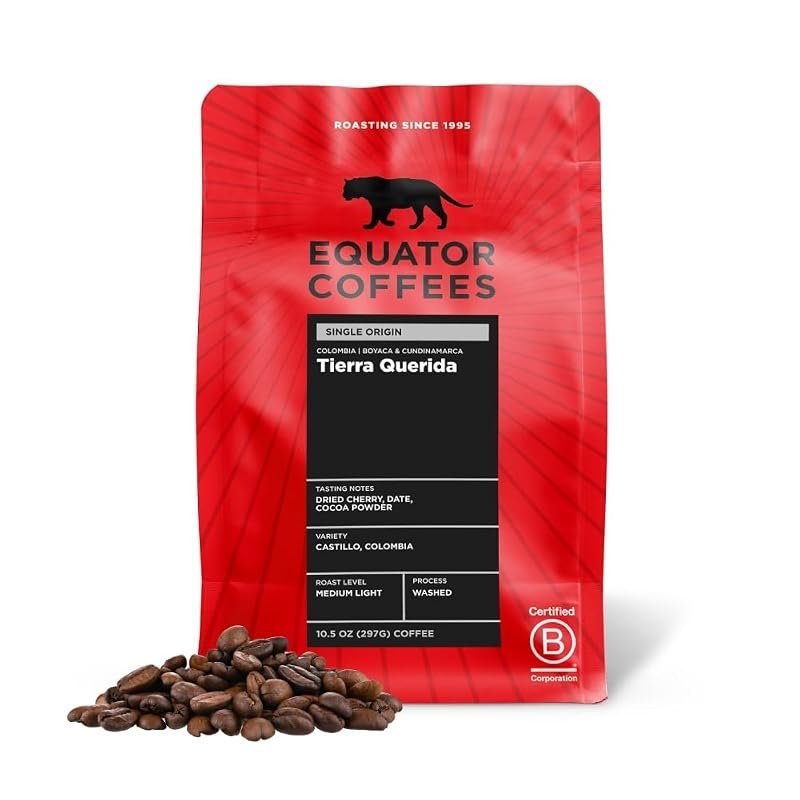
Start with Equator. Helen Russell and Brooke McDonnell founded it in a Marin County garage in 1995, adopted Fair Trade certification in 1999, and in 2011 made it the first B Corp–certified coffee roaster in California. That is a longer and better-documented track record than almost anything else in this category, and the coffee is good independent of the backstory. Their Colombia single origin is the bag I’d hand someone first: medium-light, cocoa and dried fruit, forgiving in a cone. One warning — the Colombia listing is a rotating slot, so the lot name changes with the season. Check which one the page is currently showing before you decide what you’re getting.
Equator Coffees Colombia (Whole Bean)
Women-founded in 1995, Fair Trade since 1999, California’s first B Corp roaster. Medium-light, cocoa and dried cherry, and well-behaved in a pour-over cone. Lot rotates seasonally — check the current listing.
If what you want is the other claim — coffee grown by women, not just roasted by a woman-owned company — Joe Coffee’s The Village is the most direct answer on Amazon. Joe roasts in Long Island City, and The Village is built as a seasonally rotating set of lots from female producers and cooperatives, which is the Café Femenino logic applied to a blend rather than a single origin. The trade-off is the one that comes with any rotating offering: you’re buying the sourcing policy, not a fixed flavor profile. Two bags bought six months apart will not taste the same.
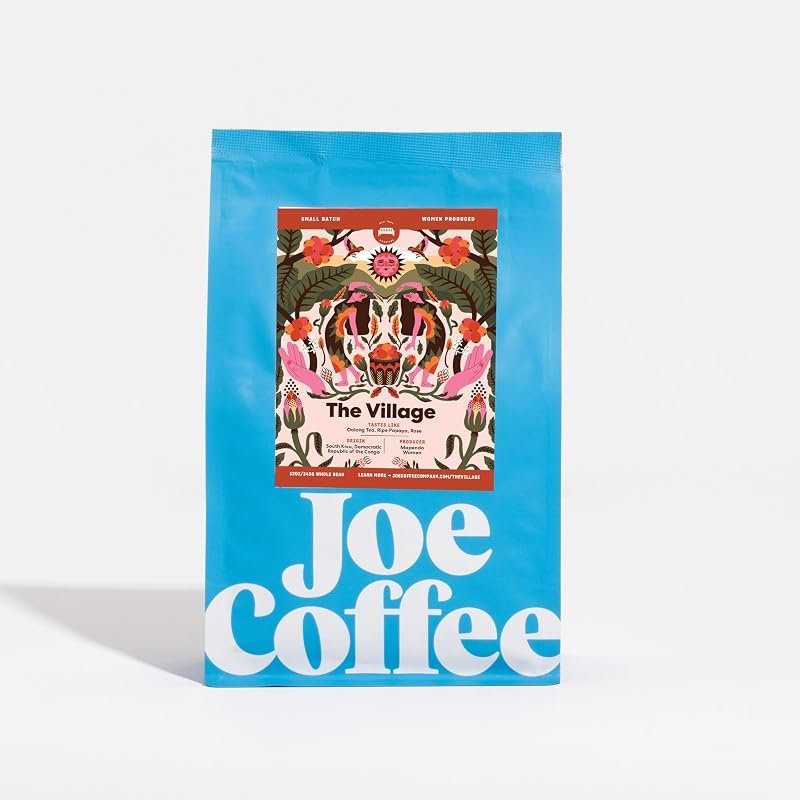
Joe Coffee Company — The Village, 12 oz
A rotating selection of lots from women producers and cooperatives, roasted in Queens. Buy it for the sourcing model; expect the cup to change season to season.
The everyday option is Beantween, a woman-owned roaster selling organic single-origin Arabica in 12-ounce bags at a lower price than either of the above. Fair warning about the listing itself: it is wall-to-wall wellness marketing — mold-free, low-acid, antioxidants. Ignore all of that. None of it is why you’d buy this coffee. Buy it because it’s a small woman-owned roaster doing organic single origins cheaply, and judge it on the cup, which is chocolate-malt and soft-acidity in the way most washed Latin American coffee at this price is.
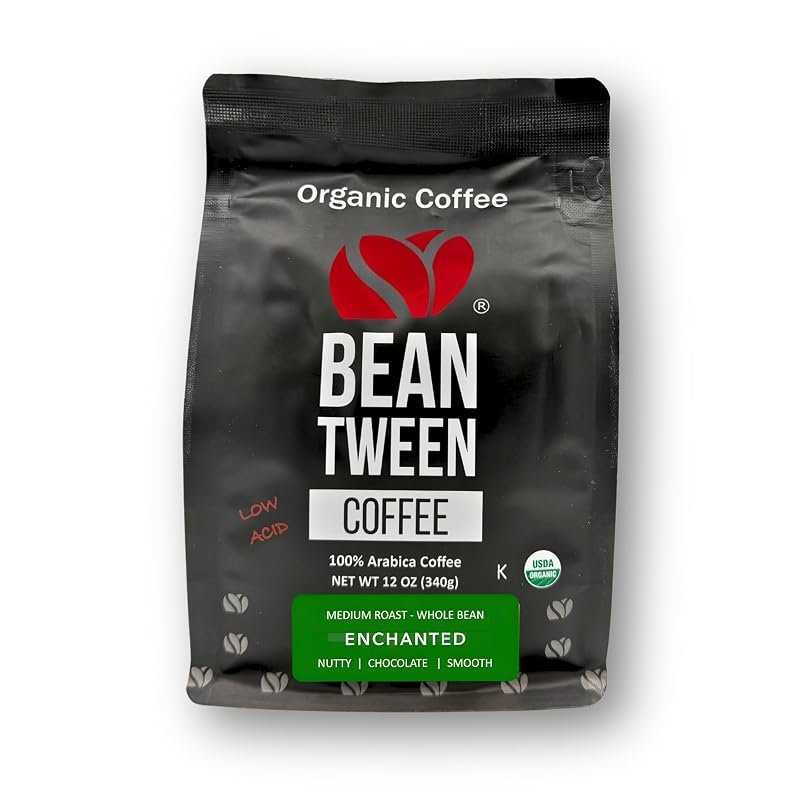
Beantween Coffee Organic Medium Roast, 12 oz
Woman-owned, organic, single origin, and priced for daily drinking. Skip the health claims on the listing and take it for what it is — a solid chocolate-forward medium roast.
How to tell a real claim from a sticker
Three questions get you most of the way. First: does the bag name the producer, the cooperative or the region, or does it just say “women-grown”? A specific name means somebody tracked the lot. A slogan means nobody did. Second: who got the premium? Programs that work say so plainly — separated lots, a stated differential, a named co-op. Third: is the claim about the farm or about the office? Both are fine things to support, but a woman-owned roaster buying anonymous commodity coffee is not doing anything for women at origin, and should not get credit for it.
That last distinction is the same one that separates a certification from a relationship, which is the ground we covered in our piece on direct trade versus fair trade — a seal tells you a box was ticked, and a named farm tells you who got paid. Same test, applied to a different label.
None of this requires buying worse coffee out of obligation. The bags above are ones I’d drink anyway. The point is just to know which of the two claims you’re paying for, because the bag usually won’t tell you unless it has something real to say.