Every December I order one peppermint mocha out in the world, and every December I get the same drink: a sweet, vaguely dairy-flavored thing with a cold, chemical mint snap in the finish that tastes like the inside of a candy tin. It is not the coffee doing that. It is not the chocolate either. It is the bottle.
What is actually in the bottle
Pull up the label on Torani Peppermint Syrup — the one sitting on half the café counters in America — and the ingredient list reads: pure cane sugar, water, natural flavors, citric acid, sodium benzoate, potassium sorbate. Six items, and the mint is the third one. A two-tablespoon serving carries 90 calories and 23 grams of added sugar, which is 46 percent of a day’s worth.
Think about what that means in practice. If the mint is too faint, your only lever is to add more syrup — which means more sugar, more citric acid, and more preservative. The drink gets sweeter and sourer at the same rate it gets mintier, and somewhere around the second pump you cross into candy-cane territory and can’t get back. The “syrup bottle aftertaste” is not a defect in the syrup. It is the syrup working exactly as designed, scaled up past the point where it tastes like a plant.
Swap one: extract instead of syrup
Decouple the mint from the sugar and the whole problem dissolves. Peppermint extract does that, because it is not sweetened at all. McCormick’s pure version lists three ingredients — alcohol, water, and oil of peppermint — with no artificial flavors, no colors, and no corn syrup. You dose the mint and the sweetness on separate dials, and you can push one without dragging the other along.
The catch is strength. Extract is concentrated to the point where a careless pour ruins a mug. Two or three drops for a twelve-ounce drink is the right neighborhood; an eighth of a teaspoon is already assertive. Use the dropper, not your wrist. And add it off the heat, at the very end — the carrier is alcohol, and the aromatics ride out with it if you hold the mug over a burner afterward.
The product links from here down are Amazon affiliate links — buying through one earns this site a commission at no extra cost to you.
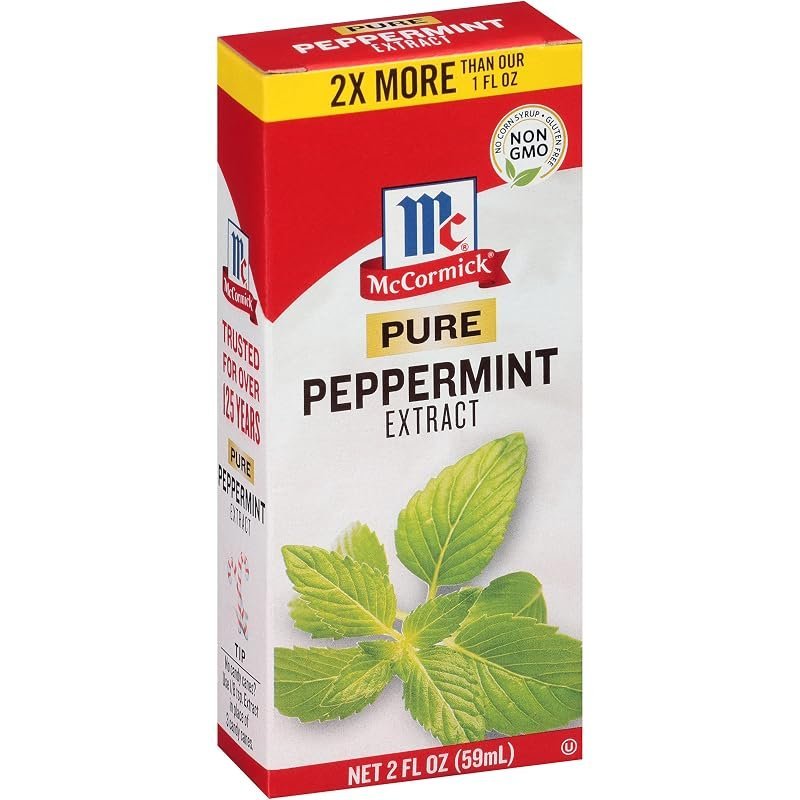
McCormick Pure Peppermint Extract, 2 fl oz
Alcohol, water, oil of peppermint. That is the entire label, and it is the whole reason this beats a syrup pump — you get mint without 23 grams of sugar riding along. The 2 oz bottle is the right size; at two drops a drink, the 1 oz will outlive your interest in the recipe anyway, but neither will spoil on you.
Swap two: high-fat cocoa instead of mocha sauce
The second half of the fix is the chocolate, and this is the part most home versions skip. Bottled mocha sauce has the same structural problem as the mint syrup: it is mostly sugar, so the chocolate intensity and the sweetness are welded together. Cocoa powder breaks them apart, but only if you buy cocoa with enough fat left in it to taste like anything.
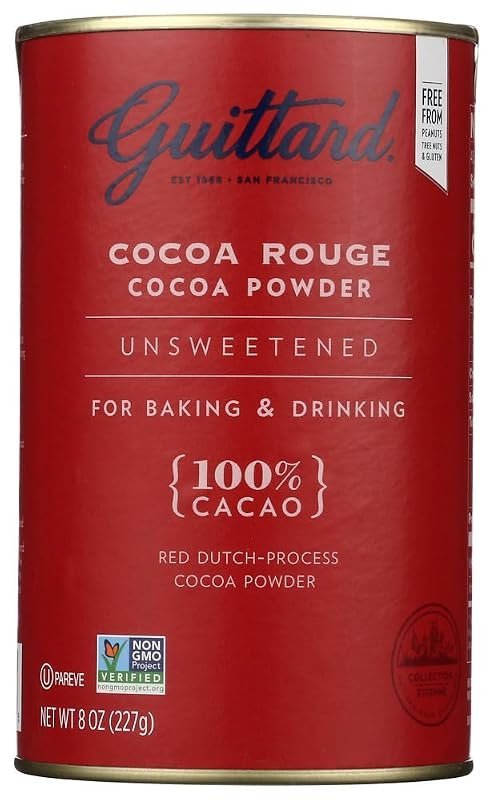
That number is on the tin. E Guittard’s Cocoa Rouge lists itself as high-fat cocoa processed with alkali, containing 22 to 24 percent cocoa butter — roughly double what a bargain-bin baking cocoa carries. That fat is what gives the finished drink weight across the middle of the palate instead of a thin, dusty chocolate note sitting on top of hot milk. The alkali treatment (Dutch processing) is the other half: it takes the sharp edge off, which matters when you are already putting a bright, cold flavor like peppermint in the same cup.
E Guittard Cocoa Rouge, 8 oz
High-fat cocoa processed with alkali, 22–24% cocoa butter, deep red-brown and fudge-like rather than acidic. One tablespoon per drink means the 8 oz can covers a whole season of these. It is the single swap that makes a homemade mocha stop tasting homemade.
The coffee has to be loud enough to survive all this
Six ounces of milk, a tablespoon of cocoa and a cold mint note will bury a delicate washed Ethiopian without leaving a mark. It is the rare drink where I stop caring about floral top notes and want something with enough roast character and body to push back. A dark roast works here for the same reason it works in an espresso blend — and while we are on it, darker roasts do not have less caffeine than lighter ones, which is a myth I spent some time dismantling in our roundup of bold blends.
Brew it strong and small: about two ounces of concentrate for a twelve-ounce mug, which means a double espresso, a very short AeroPress pull, or a pour-over run at roughly a 1:8 ratio instead of 1:16. If a stronger brew turns bitter rather than just intense, the grind is the usual culprit rather than the dose — the fines and over-extraction problem gets worse fast as you tighten the ratio.
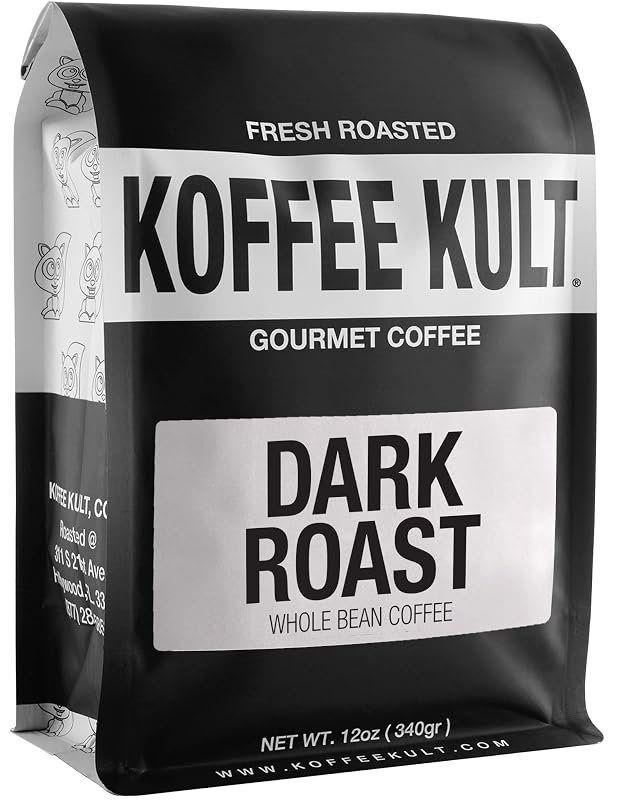
Koffee Kult Dark Roast, 12 oz
Dark enough to read through milk and cocoa without going ashy, and cheap enough that you will not resent using it in a flavored drink. If you already have a dark roast you like, use that — the requirement here is volume of flavor, not a specific bag.
The actual build
For one twelve-ounce mug:
- 1 tablespoon (about 6 g) Dutch-process cocoa
- 1–2 teaspoons sugar, or 2 teaspoons maple syrup
- A pinch of salt — not optional, it is what keeps the cocoa from tasting flat
- 2 oz strong coffee or a double espresso
- 6 oz whole milk, heated to about 140°F
- 2–3 drops peppermint extract
Put the cocoa, sugar and salt in the bottom of the mug and add about a tablespoon of the hot coffee. Stir it into a smooth paste before anything else goes in. This step is the difference between a mocha and a mug of hot milk with wet cocoa clumps floating in it — dry cocoa will not disperse into a full cup of liquid no matter how hard you whisk, because the starch and fat need to be wetted at high concentration first. Then the rest of the coffee, then the milk, then the extract last, off the heat. Stir, taste, and only then decide whether it needs a third drop.
Steaming the milk properly is its own small skill, and we walked through the heat-the-milk-first technique and getting microfoam without an espresso machine in the gingerbread latte writeup; the same approach applies here without modification.
Three ways this still goes wrong
Too much extract. There is no recovering a drink you over-minted, so always start low. The mint should arrive on the back end as a cool finish, not announce itself on the first sip.
Boiling the milk. Past about 160°F milk starts tasting cooked and loses the sweetness that lets you get away with only a teaspoon of added sugar. Pull it early.
Using natural cocoa instead of Dutched. Natural cocoa is more acidic, and acid plus peppermint reads as sour-sharp rather than cool-sweet. Save the natural cocoa for baking, where the acid has a leavener to react with.
If you would rather not assemble anything
Fair enough — some mornings the answer is a bag of beans and a kettle. Pre-flavored peppermint coffees are a different proposition with different failure modes, and we tasted through a batch of them in peppermint and gingerbread coffees, ranked. They will never give you the control that three separate ingredients do, but they also do not require you to own a dropper bottle.