It is mid-August, which means the jug in our fridge has been in constant rotation since June. Cold brew has a reputation for being forgiving — steep almost anything coarse for long enough and you get something drinkable. That is true, and it is also why so much homemade cold brew tastes like generic coffee-flavored water. The beans still matter; they just matter differently than they do for pour-over.
Why your pour-over favorites are the wrong call here
Cold water is a weak solvent for the acids that give hot coffee its sparkle. A big share of the chlorogenic and quinic acids that make a washed Kenyan taste like grapefruit simply stay behind in the grounds when you steep cold — which is why cold brew runs roughly a third less acidic than hot coffee made from the same bag. Buy an expensive, delicate light roast for cold brew and you are paying for acidity and florals the method will throw away. What survives an 18-hour cold steep is body: chocolate, nuts, caramel, earth. Darker roasts also start with far less chlorogenic acid in the first place, so they lean into exactly what the method extracts well. In other words, the bags we would never reach for on the V60 shelf are the ones that shine in the jug.
The three bags in our cold brew rotation
Heads up: the links below are Amazon affiliate links, which means we earn a small commission if you buy through them — at no extra cost to you.
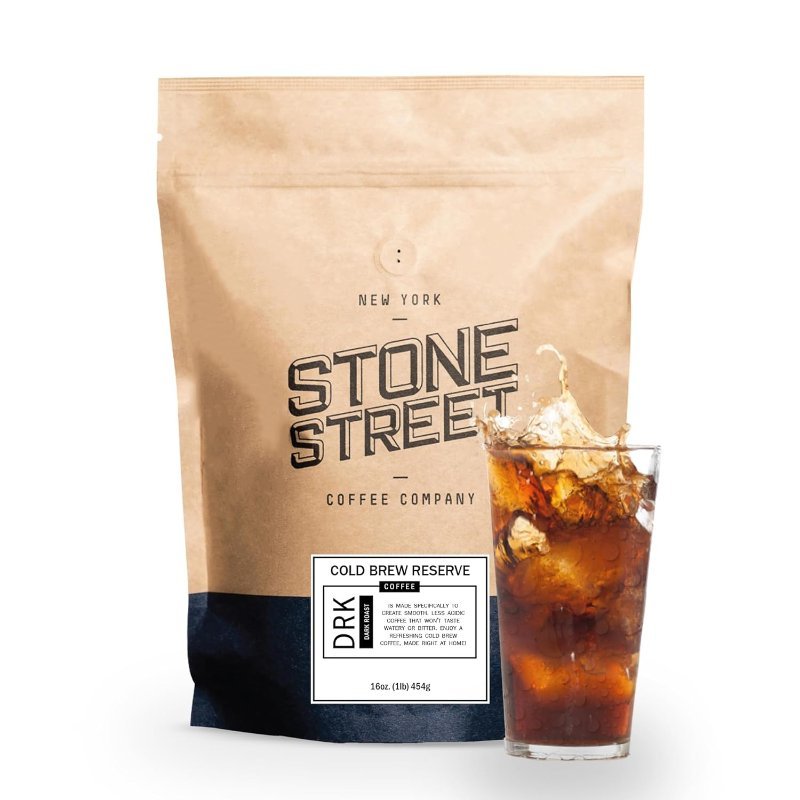
The bag we restock most often is Stone Street’s Colombian cold brew grind. It is a dark-roasted Colombian Supremo, ground coarse specifically for this method, and it produces the cold brew most people picture when they order one at a cafe: chocolate up front, caramel behind it, zero sourness, heavy enough to stand up to ice. There is no guesswork with grind size because they have done it for you, which also makes it the right answer if you do not own a grinder that can hold a consistent coarse setting.
The Default
Stone Street Colombian Cold Brew, Dark Roast, 1 lb
Coarse-ground Colombian Supremo roasted dark for the steep. Chocolate-forward, smooth, and consistent batch after batch.
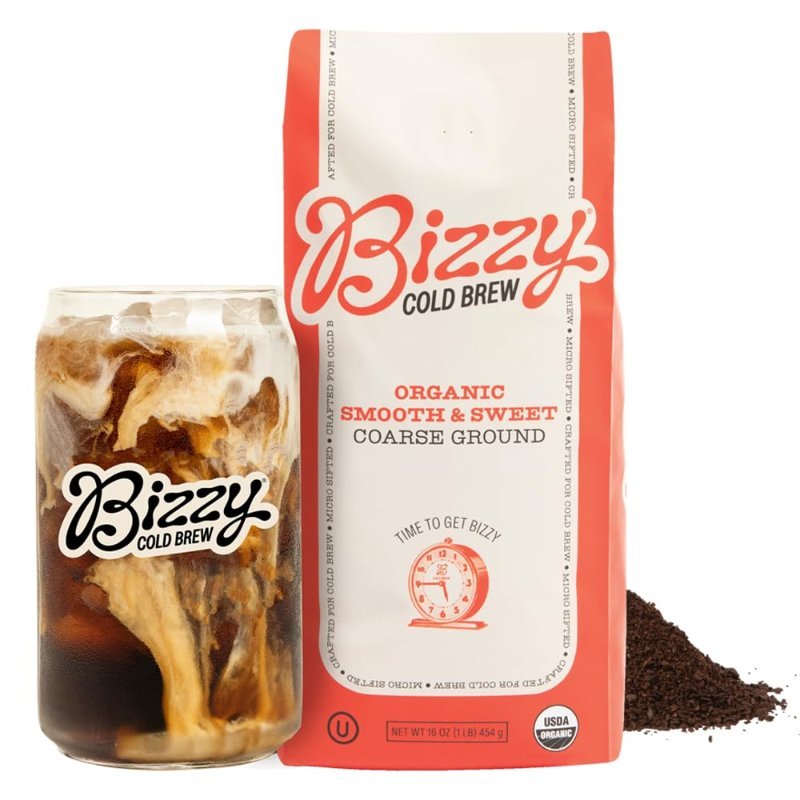
If Stone Street reads as too dark for you, Bizzy’s Smooth & Sweet blend is the medium-roast counterpoint. It is organic Arabica, coarse ground, and — the detail we appreciate most — micro-sifted, so the fines that turn a jar of cold brew silty are mostly gone before you open the bag. The cup is rounder and noticeably sweeter than the Stone Street, closer to milk chocolate than dark, and it is the one we hand to people who drink their cold brew black.
The Sweeter Cup
Bizzy Organic Cold Brew, Smooth & Sweet Blend, 1 lb
Organic, coarse-ground, micro-sifted so your concentrate pours clean. Rounder and sweeter than the typical dark-roast cold brew bag.
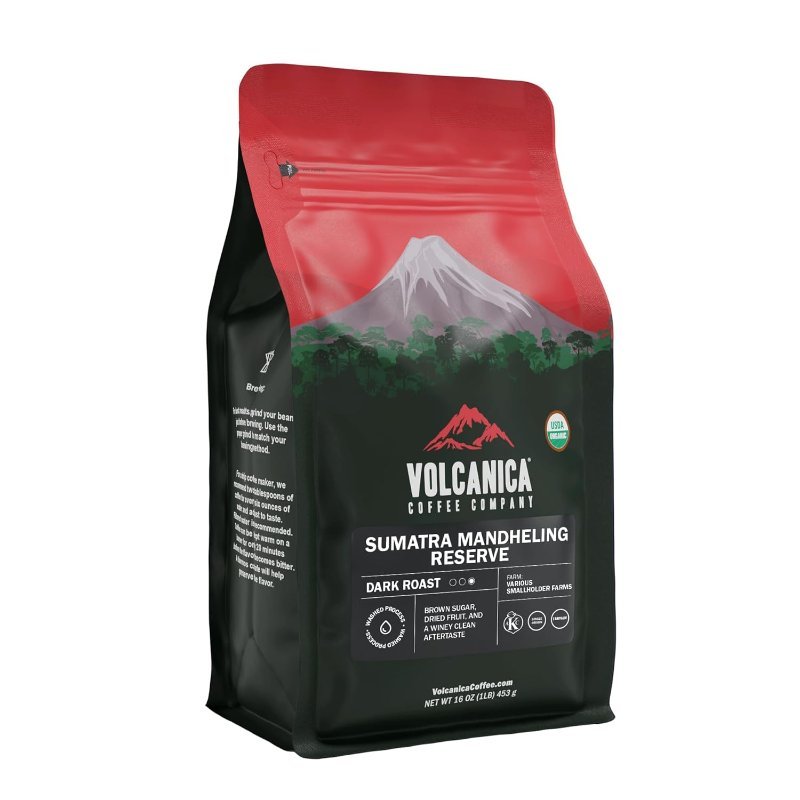
The third slot goes to something with more personality. Volcanica’s Sumatra Mandheling Reserve is wet-hulled Indonesian coffee — earthy, syrupy, a little wild — and that character concentrates beautifully in a long cold steep. This is the pick for a low, heavy glass over one big cube, and it is the only one of the three that gets even better with a splash of milk, which its body shrugs off where lighter coffees would disappear.
The Heavyweight
Volcanica Sumatra Mandheling Reserve, Dark Roast, 16 oz
Earthy, syrupy, unapologetically heavy. The cold brew for people who think most cold brew is too polite.
How we brew all three
Same recipe regardless of bag: 1 part coffee to 5 parts cold water by weight, 16 to 18 hours in the fridge, then a pass through a paper filter and dilute the concentrate roughly one-to-one over ice. If your cold brew has been tasting woody or bitter, pull the steep back toward 12 hours before you blame the beans — over-steeping is the most common way to ruin a good bag, and all three of these deserve better.